Obama urges backing for Minneapolis protests during federal conflict
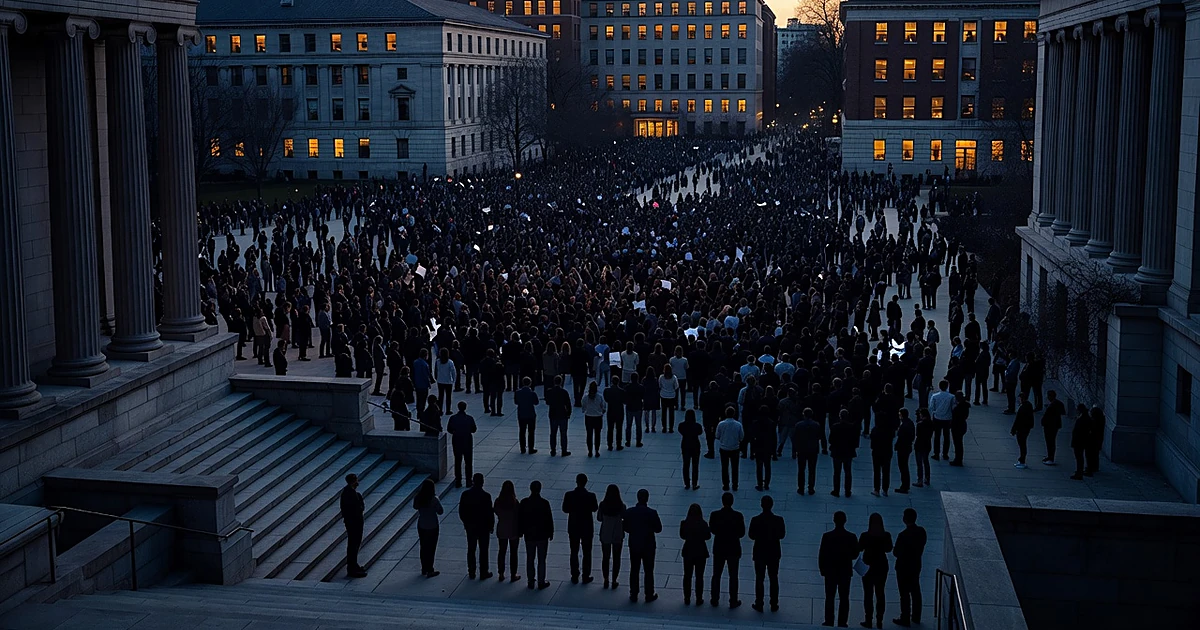
Former President Barack Obama has stepped into a heated controversy, urging Americans to back protests in Minneapolis against federal law enforcement actions.t On this past Sunday, Obama issued a statement praising what he called peaceful demonstrations in Minneapolis and other cities, linking them to opposition against federal tactics. He criticized the conduct of federal agents in Minnesota, pointing to the fatal shootings of two U.S. citizens as a tragic outcome. Obama also pressed for cooperation between federal officials and state leaders like Governor Walz and Mayor Frey to prevent further unrest.
The issue has sparked intense debate over federal authority, immigration enforcement, and public safety in American cities. While some see the protests as a necessary stand against overreach, others question the narrative of peace amid reports of resistance and obstruction.
Protests or Provocation in Minneapolis?
According to Breitbart, Obama’s statement framed the Minneapolis protests as a justified response to what he described as heavy-handed federal behavior. He suggested that federal agents, including ICE personnel, have acted without accountability, leading to deadly consequences.
“For weeks now, people across the country have been rightly outraged by the spectacle of masked ICE recruits and other federal agents acting with impunity,” Obama said. His words paint a picture of government overreach, but let’s unpack this—aren’t federal agents tasked with enforcing laws passed by Congress?
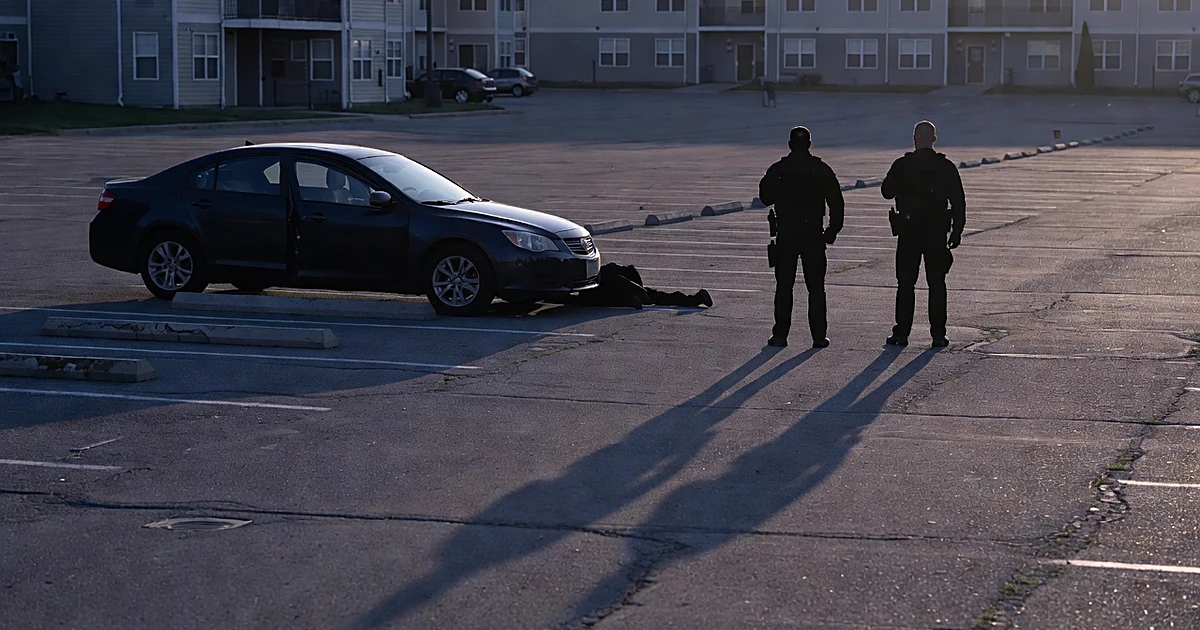
The tragic deaths of Alex Pretti and Renee Good are at the heart of this controversy, with Obama calling Pretti’s killing a “heartbreaking tragedy” and a national wake-up call. Yet, the story also notes conflicting accounts, including video evidence that may challenge the administration’s explanations. Without a full investigation, jumping to conclusions risks inflaming an already tense situation.
Federal Tactics Under Scrutiny
Obama didn’t shy away from criticizing the current administration, accusing officials of escalating tensions rather than seeking solutions. He urged them to rethink their approach and work with local leaders. But is this a genuine call for unity or a veiled call to resist?
The story suggests that Obama’s rhetoric mirrors that of far-left groups, hinting at support for nationwide adoption of Minnesota’s protest tactics. While he avoids directly endorsing disruption, his passive language raises eyebrows. Should a former president be inspiring street campaigns against federal law?
On immigration, the story contrasts Obama’s past policies with current enforcement efforts. It claims that under Obama and Biden, millions of migrants entered the country, while recent policies have prioritized stricter control, yielding benefits like higher wages and lower crime. This clash of visions—law enforcement versus societal transformation—fuels the broader debate.
Immigration Policies Fuel Divide
Immigration remains a sensitive flashpoint, with the story alleging Obama’s allies facilitated large-scale migration over a decade. Before diving into the critique, it’s worth noting that migration data and its impacts are often disputed, with interpretations varying widely. Still, enforcement of existing laws shouldn’t be framed as tyranny.
Obama’s earlier remarks, cited from October, emphasize a vision of unity despite cultural differences. He referenced past Republican leaders like George W. Bush and John McCain as sharing this belief. But does this idealism hold up when policies appear to prioritize open borders over economic stability for working Americans?
The story also ties local leaders like Walz and Frey to investigations over welfare fraud, though details remain unclear. If true, this muddies the narrative of state-federal cooperation. Shouldn’t accountability apply across the board?
Balancing Safety and Freedom
Public safety is the ultimate concern, and Obama acknowledges that federal agents face tough challenges. Yet, his critique of their methods as unprecedented and intimidating sidesteps the complexity of enforcing laws in resistant communities. Law enforcement isn’t a popularity contest—it’s a necessity.
Ultimately, the Minneapolis protests and the tragic loss of life demand serious reflection, not political posturing. While Obama’s call for citizen action may resonate with some, it risks deepening divisions when cooler heads are needed. Let’s hope for dialogue over demonstrations, and solutions over soundbites.