Trump jokes he holds two jobs — president and speaker — as Johnson leans on White House to whip House votes
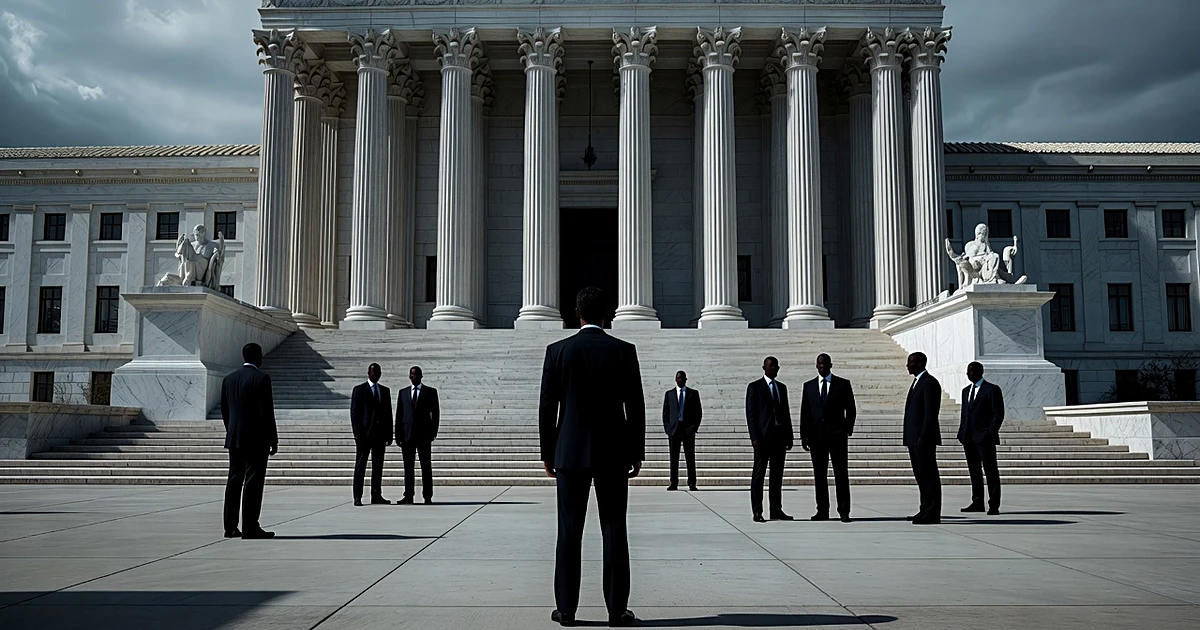
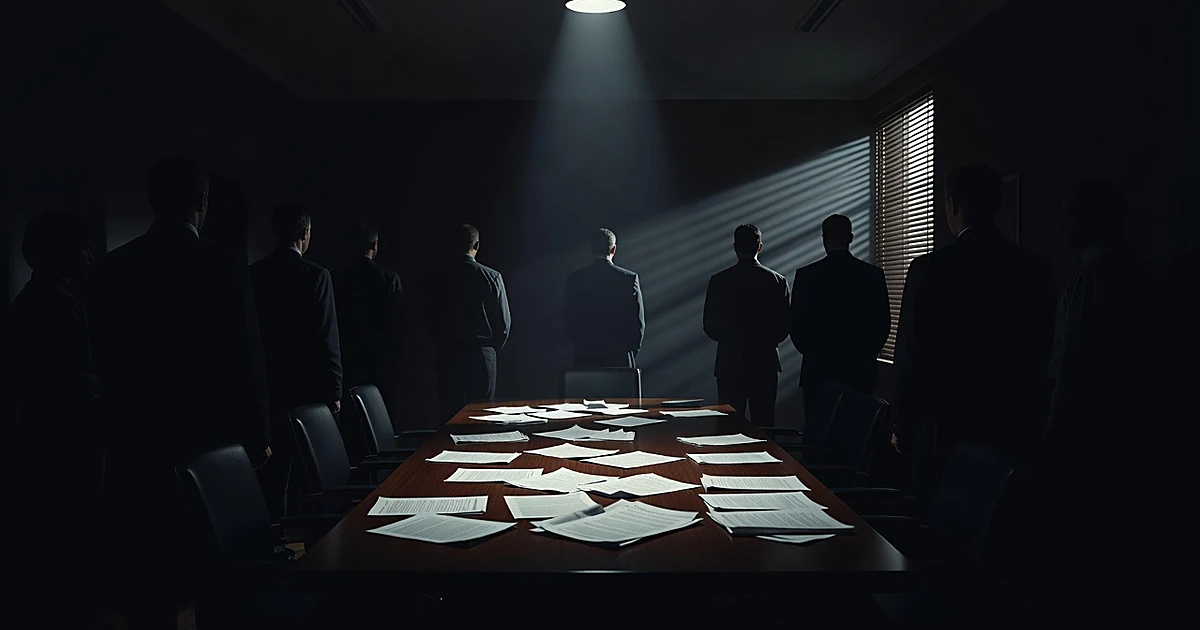
During recent closed-door meetings at the White House, President Donald Trump looked at House Speaker Mike Johnson and delivered a four-word assessment of the power arrangement on Capitol Hill: "I have two jobs: being president and being speaker," Trump told the room, according to a Daily Mail account of the exchange. GOP lawmakers and conservative leaders were present.
The line drew attention because it landed on a sore spot. Over the past two years, Johnson has repeatedly turned to Trump to pressure reluctant House Republicans into supporting the party's agenda, a dynamic that has left some members questioning who actually runs the lower chamber.
One House Republican told NOTUS plainly: "He's the one getting everyone in line." Another was less charitable about the arrangement, calling it "a total shirking of responsibilities to the White House." Neither lawmaker was identified by name.
The speaker who keeps calling the president
The pattern is not new, but NOTUS reporting cited by the Daily Mail fills in details that explain why Trump's quip carried weight. Johnson has on multiple occasions directed House members to get blessing from the White House before introducing legislation. That means bills drafted by elected representatives are being routed through the executive branch for pre-approval, an inversion of the constitutional order that gives Congress the legislative power.
Trump, for his part, has not been a passive participant. He frequently calls lawmakers while they are voting in real time on the House floor, pressing them to change their positions. Last year, he worked the phones to convince GOP holdouts to switch their "no" votes on a budget measure while members were still on the floor.
That kind of direct executive intervention in a live floor vote is extraordinary. Members of Congress are supposed to answer to their constituents and their own judgment. When the president is on the line mid-vote, the leverage is obvious.
Johnson's razor-thin majority has made every vote a high-wire act. Attendance problems and narrow margins have repeatedly forced leadership to scramble for every last "yes," creating exactly the conditions under which a speaker might reach for outside help.
Spartz left in tears after Trump call
One episode captures the intensity of the pressure campaign. During the budget-measure push last year, Representative Victoria Spartz of Indiana, described as a MAGA ally, was on the phone with Trump in the House cloakroom. She was visibly crying while trying to speak with the president.
Trump's reported reaction afterward was blunt. "I have no f***ing idea what she just said," he told others, according to the account.
The scene is striking less for the language than for what it reveals about the mechanics of governance in the current House. A sitting member of Congress was reduced to tears in a phone call with the president during a live legislative fight, and the president's takeaway was bewilderment, not concern.
Johnson's office responds, carefully
Johnson's office did not deny the substance of the reporting. Instead, a spokesperson framed the arrangement in positive terms:
"Speaker Johnson is proud to have a strong and productive working relationship with the President that has delivered countless positive legislative results for the American people."
Johnson's office also described the dynamic as "healthy tension between the legislative and executive branches." That is one way to characterize a speaker who routes legislation through the White House for pre-approval and asks the president to whip votes on the House floor.
The tension between those two framings, proud partnership versus constitutional tension, is the heart of the matter. Johnson wants credit for results. But the results keep arriving because someone else is doing the arm-twisting.
This is not the first time Johnson has found himself navigating pressure from multiple directions. He has had to push back on Trump over certain spending priorities when the math simply did not work, a reminder that even a cooperative speaker has limits when the margin is this small.
An unprecedented level of executive influence
Representative Steve Womack, a conservative Republican, offered the most direct assessment of what is happening. His words were measured but unmistakable:
"In my adult lifetime, I have not seen an executive branch with as much input and influence over the chamber than this one has."
Womack is not a backbencher looking for a headline. He is a senior Republican making a factual observation about the balance of power. And his observation lines up with the anonymous complaints from other members.
One unidentified lawmaker put it this way: "Everything has to be preordained and pre-blessed, and there's very little that we're able to have our own will on. We should be empowered to pass our own priorities, not just follow what the mandate of the day is."
That quote deserves attention. It is not coming from a Democrat. It is coming from inside the Republican conference, from someone who apparently feels that the House has surrendered its independent legislative judgment to the executive branch.
The speakership fight that set the template
The roots of this arrangement trace back to January of last year, when Johnson was fighting to hold onto the gavel. Several members voted against him. Trump personally called those members and persuaded them to flip their votes in Johnson's favor.
That intervention saved Johnson's speakership. It also established a debt. When the president rescues you from a caucus revolt, the relationship is not between equals. Johnson has been operating in that shadow ever since.
The pattern has played out on issue after issue. When House Republicans broke ranks on Ukraine aid, it was another sign that Johnson's hold on his own conference depends on forces beyond his control. And when foreign policy crises have disrupted the GOP's domestic agenda, the speaker has found himself reacting rather than leading.
What this means for the House
None of this is illegal. The Constitution does not prohibit a president from calling members of Congress or lobbying for votes. Presidents have always worked to advance their legislative priorities. The question is one of degree, and of what happens to the House as an independent institution when the speaker himself treats White House approval as a prerequisite for action.
Conservatives who care about the separation of powers should pay attention. The Founders designed a system in which Congress writes the laws and the president signs or vetoes them. When the executive branch is drafting the playbook, pre-clearing the bills, and whipping the votes, the legislative branch is not functioning as designed.
Trump's joke about holding two jobs was funny because it was true enough to sting. Johnson has delivered results, nobody disputes that. But the method raises a fair question: if the speaker cannot move his own conference without a presidential phone call, what exactly is the speakership for?
Johnson has also shown he can use the gavel independently when he chooses, as he did when blocking a Senate deal on DHS funding and forcing a House vote. Those moments suggest the capacity is there. The question is why it surfaces so selectively.
The real cost
The practical risk is not that Trump gets what he wants from Congress. Presidents are supposed to push their agendas. The risk is that House Republicans lose the institutional muscle to legislate on their own, that the conference becomes so accustomed to waiting for the White House green light that it forgets how to act without one.
Majorities do not last forever. The margin is already paper-thin. If Republicans lose the House, they will wish they had spent this period building legislative capacity instead of outsourcing it.
Trump told the room he has two jobs. The better question is whether the speaker still has one.