Dow climbs nearly 600 points after Trump reveals Greenland deal framework
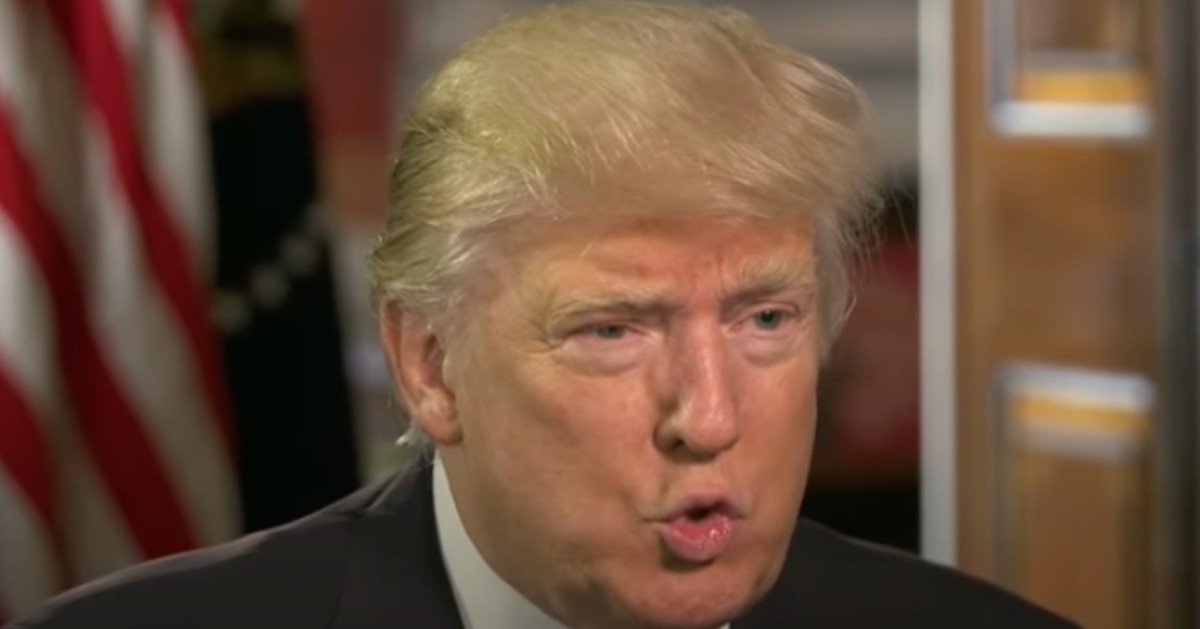
Wall Street roared back to life on Wednesday with a stunning recovery, as the Dow Jones Industrial Average soared nearly 600 points following a major announcement from President Trump.
The Dow closed at 49,077.23, up 1.2%, while the S&P 500 and Nasdaq also gained 1.2%, with the Nasdaq rising 270 points in the best day of the year for all three indexes. The rally followed President Trump’s announcement of a framework for a Greenland deal and his decision to ease threats of tariffs on several European nations, helping the S&P 500 recover much of its recent losses and approach record highs.
Supporters say Trump’s approach highlights his ability to turn high-stakes rhetoric into results. The easing of tariff tensions and the Greenland framework boosted investor confidence, while Treasury yields stabilized amid calmer bond markets in Japan.
Trump's Strategic Pivot Sparks Market Rally
According to the New York Post, Trump's announcement about the Greenland deal was a catalyst for immediate market optimism. He described it as a potential triumph, saying, “if consummated, it will be a great one for the United States of America.” That kind of confidence is exactly what investors needed after days of uncertainty.
But let's unpack that quote a bit. While the promise of a deal sounds grand, the devil’s in the details, and until ink hits paper, it’s wise to temper expectations. Still, the market’s reaction suggests faith in Trump’s ability to navigate complex negotiations.
Earlier in the day, Trump also dialed back his tone, assuring European business and government leaders he wouldn’t resort to forceful tactics over Greenland. He made it clear there’d be no strong-arming over what some have dismissed as a frozen asset. That shift alone helped steady jittery investors.
Market Movers: Winners and Losers Emerge
Individual stocks told their own stories on Wednesday, with Halliburton leading the charge, up 4% after posting a quarterly profit that beat analyst forecasts. United Airlines also lifted off, gaining 2.2% on stronger-than-expected earnings for late 2025. CEO Scott Kirby noted, “The airline’s strong momentum in revenue is continuing into 2026.”
That optimism from Kirby is a breath of fresh air, but not every sector shared the glow. Netflix stumbled 2.2%, despite solid profits, as investors fretted over sluggish subscriber growth and a weaker profit outlook. It’s a reminder that even in a bullish market, not every story ends with a ticker-tape parade.
Kraft Heinz took an even harder hit, plunging nearly 6% after Berkshire Hathaway signaled it might offload its massive 325 million-share stake. That kind of uncertainty can spook even the most seasoned investors. It’s a stark contrast to the day’s broader gains.
Trump’s Pattern: Bold Threats, Big Deals
Trump’s history of bold threats followed by strategic pullbacks is nothing new to market watchers. The pattern, sometimes dubbed “Trump Always Chickens Out” when markets push back hard, often ends with deals that defy early skepticism. His tariff threats on what’s been called “Liberation Day” ultimately paved the way for trade agreements with major global economies.
That track record suggests there’s method to the madness. While critics may scoff at the rollercoaster, the results—trade deals, market recoveries—often speak louder than the initial noise. It’s a high-wire act that keeps everyone guessing.
Yet, there’s a flip side to this approach. The whiplash of threats and resolutions can erode trust over time, especially among allies wary of unpredictable policy shifts. Markets may rally today, but long-term stability demands consistency.
Broader Implications for Economic Policy
Wednesday’s surge also saw the U.S. dollar regain ground after a dip the previous day against other currencies. This, alongside easing Treasury yields, hints at broader relief from fears of runaway inflation. It’s a small but meaningful signal that Trump’s latest pivot might have staying power.
Still, the Greenland framework and tariff reprieve aren’t just about numbers on a screen. They touch on America’s role in the North Atlantic and its economic ties with Europe, areas where steady leadership matters more than ever. Flashy announcements are one thing; lasting partnerships are another.
As the dust settles, the question remains whether this market high is a fleeting sugar rush or the start of sustained growth. Trump’s knack for deal-making has pulled off surprises before, but navigating global tensions and domestic expectations is no small feat. For now, Wall Street is betting on the former, and that’s a wager worth watching.