House panel advances contempt resolutions for Clintons over Epstein probe
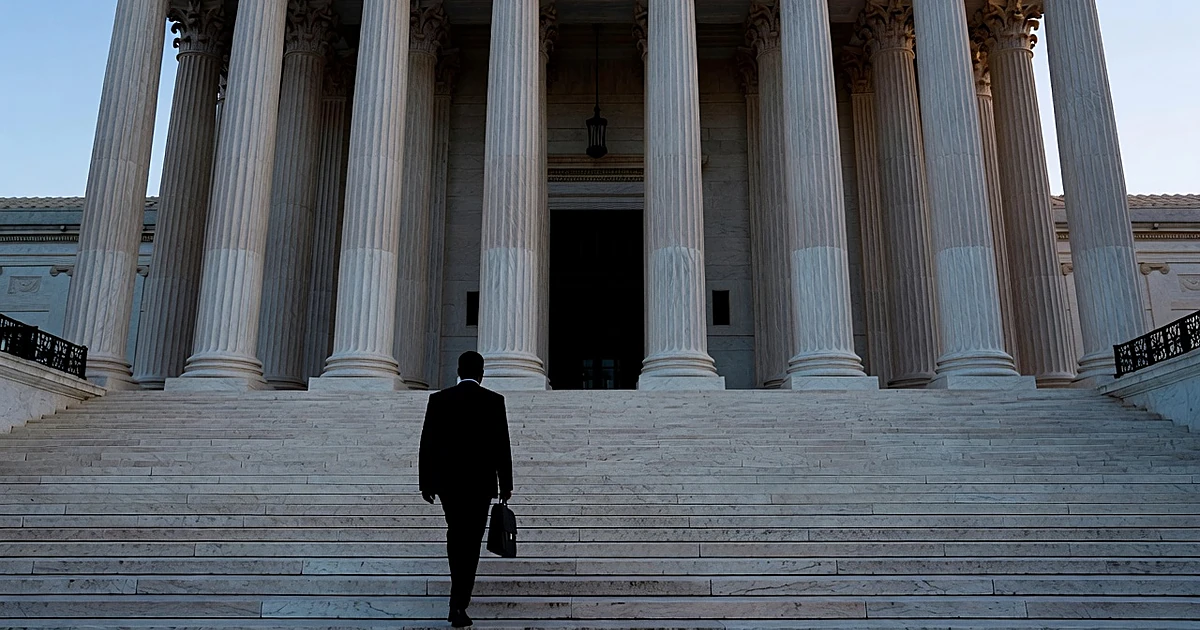
The House Rules Committee will consider contempt-of-Congress resolutions against Hillary Clinton and Bill Clinton at 4 p.m. ET Monday, moving the former first couple closer to a criminal referral for refusing to comply with subpoenas in the congressional investigation into Jeffrey Epstein.
Final passage is expected on Tuesday or Wednesday. If the House votes to hold the Clintons in contempt, it will recommend that both be prosecuted by the Department of Justice, Fox News reported.
House Oversight Committee Chairman James Comer, who initiated the contempt proceedings, framed the stakes plainly after his panel advanced the resolutions last month:
"This shows that no one is above the law."
The Subpoenas They Ignored
Both Clintons were subpoenaed to appear before the House Oversight Committee as part of Congress's probe into Epstein. Neither appeared on the terms dictated by Chairman Comer.
Hillary Clinton was scheduled for a closed-door deposition on January 14, 2026, in the Rayburn House Office Building. She did not show up.
The subpoenas followed a bipartisan vote by an Oversight subcommittee panel during an unrelated hearing on illegal immigration. A total of 10 people were subpoenaed as part of the Epstein investigation. The Clintons are the only two facing contempt proceedings.
Months of back-and-forth between the former first couple's lawyers and Oversight staff preceded the contempt votes. Whatever negotiations occurred, they failed to produce the testimony Comer demanded.
Bipartisan Support for Accountability
The contempt resolutions did not advance on purely partisan lines. Nine Democrats joined Republicans to advance the resolution against Bill Clinton. Three Democrats voted to advance the resolution against Hillary Clinton.
That bipartisan support matters. When members of the opposing party vote to hold a former president and former secretary of state in contempt, it signals something beyond partisan gamesmanship. It signals that the refusal to comply was egregious enough to cross party lines.
The Rules Committee vote is expected to proceed along party lines, but the earlier Oversight Committee vote demonstrated that at least some Democrats believed the Clintons should face consequences for ignoring lawful subpoenas.
What Contempt Means
Contempt of Congress carries a maximum fine of $100,000 and up to a year in jail. A successful House vote will refer both Clintons to the DOJ for prosecution.
Whether the Justice Department acts on that referral is another question. But the House will have done its part—documenting the Clintons' refusal to comply and formally requesting that prosecutors hold them accountable.
Comer has said he is in contact with the DOJ about its document production related to Epstein. The department agreed late last year to a deadline for producing those documents but has delivered only a fraction of what was expected.
The chairman remains focused on the larger goal. After the Oversight Committee advanced the resolutions, he told reporters:
"I'm just real proud of the committee and look forward to hopefully getting the Epstein documents in very quickly and trying to get answers for the American people."
The Epstein Questions
The congressional investigation into Jeffrey Epstein has sought testimony from individuals connected to the disgraced financier. The Clintons' connections to Epstein have been documented for years—Bill Clinton's flights on Epstein's private plane, and the broader social circles they shared.
Congress has the authority to compel testimony. Subpoenas are not invitations. When private citizens ignore them, they face consequences. The question has always been whether the same rules apply to the politically powerful.
The Clintons apparently believed they could negotiate their way out of compliance or simply refuse to appear. The contempt proceedings suggest that calculation was wrong.
A Test of Equal Justice
For decades, the Clintons have operated as though normal rules do not apply to them. Hillary Clinton's private email server, the Clinton Foundation's foreign donations, Bill Clinton's various scandals—each time, accountability seemed to slip away.
This contempt vote presents a different dynamic. The House has clear authority to compel testimony. The Clintons clearly refused. The remedy—contempt of Congress—exists precisely for situations like this.
Nine Democrats voted to advance the resolution against a former Democratic president. That fact alone suggests this isn't simply a partisan exercise. It's Congress asserting its constitutional authority to investigate and demanding that even the most connected political figures comply.
What Comes Next
The Rules Committee meets on Monday at 4 p.m. ET. The full House vote follows Tuesday or Wednesday. Passage appears likely.
After that, the matter moves to the Justice Department. The DOJ will decide whether to prosecute a former president and a former secretary of state for contempt of Congress.
The Clintons have defied subpoenas, ignored deadlines, and refused to testify about their connections to Jeffrey Epstein. The House is now preparing to tell the Department of Justice that this defiance warrants criminal prosecution.
Whether justice follows depends on whether the DOJ believes the law applies equally to everyone—or whether some people really are above it.