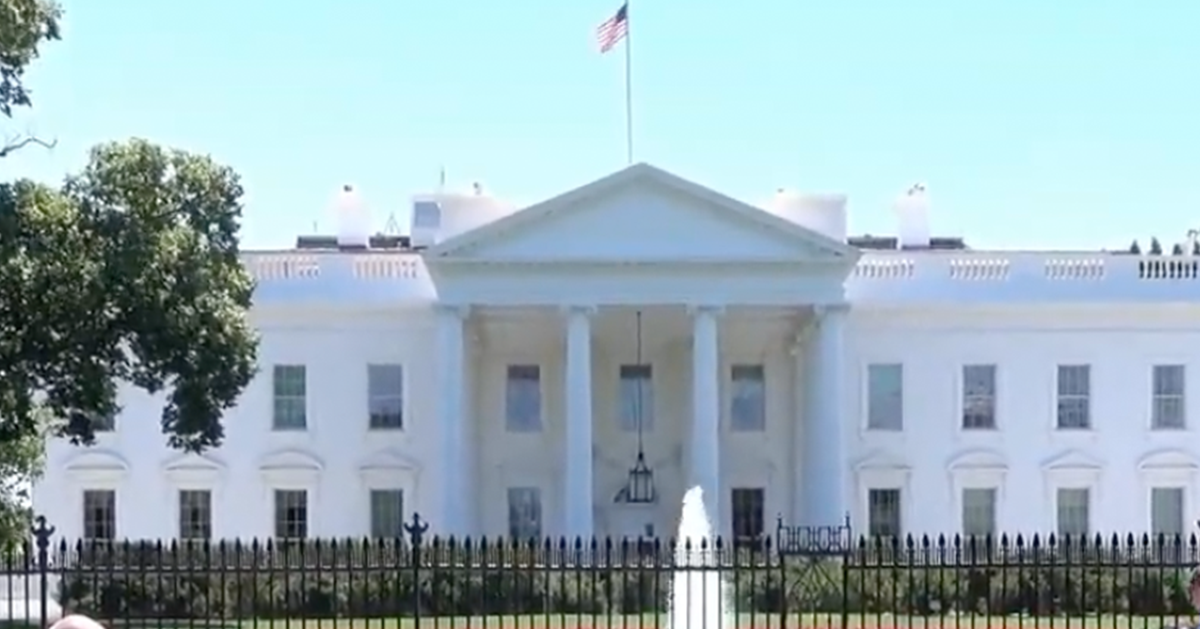
Federal appears skeptical of bid to halt White House ballroom project
Don’t expect a courtroom roadblock to derail the Trump administration’s bold vision for a new White House ballroom anytime soon.
In a recent hearing, a federal judge voiced doubts about a nonprofit’s bid to halt construction of an East Wing ballroom at the White House, citing insufficient evidence of harm, while the administration insists the project is crucial for security and modernization, as the Washington Examiner reports.
The saga kicked off last Friday when the National Trust for Historic Preservation filed a lawsuit against the Trump administration, alleging that tearing down parts of the East Wing to build a new ballroom violates both federal laws and constitutional standards.
Courtroom Clash Over Construction Halt
The group pushed for an emergency order to pause the project, bringing their case before U.S. District Judge Richard Leon on Tuesday.
Judge Leon, however, wasn’t swayed, stating he is "disinclined to halt construction" since the organization failed to prove any real damage during the timeframe a court-ordered delay might cover.
Frankly, when a judge asks for proof of harm and gets crickets in return, it’s a tough sell to convince anyone this project needs an immediate stop -- especially when history is often just a backdrop to progress.
Administration Pushes Security as Priority
The Trump administration isn’t playing defense lightly; they argue the National Trust lacks the legal footing to even challenge this initiative.
More importantly, they stress that stalling the project poses a national security risk, a concern echoed by U.S. Secret Service Deputy Director Matthew Quinn, who warned, “Any pause in construction, even temporarily, would leave the contractor’s obligation unfulfilled in this regard and consequently hamper the Secret Service’s ability to meet its statutory obligations and protective mission.”
Let’s cut through the fog -- when the Secret Service says delays threaten safety, it’s hard to justify prioritizing architectural sentiment over the protection of the presidency, no matter how much some folks cling to the past.
Timeline Details and Political Heat
According to the administration, the construction schedule is clear: below-ground work begins in January, with above-ground efforts starting in April, targeting completion by the summer of 2028.
That timeline fits neatly within President Trump’s term, which concludes on Jan. 20, 2029, offering a window to unveil a revamped space suited for modern demands.
Still, Democrats and progressive preservationist allies are up in arms, decrying the plan as a needless attack on a historic landmark—though one can’t help but wonder if their objections are more about politics than plaster.
Historical Context Meets Modern Necessity
The administration’s legal filings, via the Department of Justice, point out that this East Wing overhaul isn’t some unprecedented act of destruction but rather part of a long tradition of presidential updates to the White House.
They argue that past renovations, often controversial in their own time, adapted the residence to evolving needs, and this ballroom project is no different in aiming to balance heritage with practicality.
The National Trust, in targeting the White House, the National Park Service, and other officials, faces an uphill battle against a precedent that favors adaptation over stagnation -- a lesson in how even sacred spaces must sometimes bend to the demands of the present.