Federal judge upholds ICE policy on congressional visit notices
A federal judge has declined to halt a Trump administration policy mandating a one-week notice for congressional visits to immigration detention centers, sparking fresh debate over oversight and transparency.
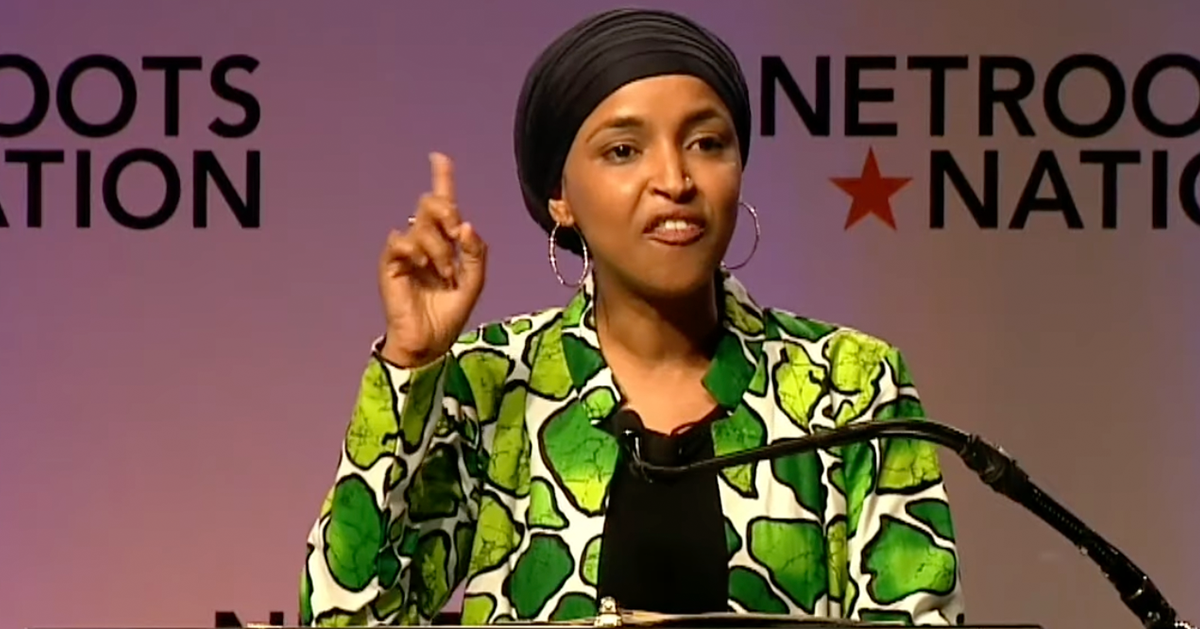
In a ruling on Monday, U.S. District Judge Jia Cobb in Washington, D.C., refused to block the Department of Homeland Security’s Jan. 8 policy requiring members of Congress to provide advance notice before visiting ICE facilities. The decision came after an incident on Saturday, Jan. 10, when Rep. Ilhan Omar (D-Minn.) and other Minnesota lawmakers were turned away from an ICE facility in Minneapolis for not complying with the rule. This follows a series of legal challenges by Democratic lawmakers against such restrictions.
Judge Cobb's Ruling Sparks Debate
The issue has ignited a firestorm over the balance between national security and congressional oversight. While the policy aims to ensure orderly operations at detention centers, critics see it as a barrier to accountability. Supporters, however, argue that a heads-up is a reasonable ask for facilities managing complex and sensitive situations.
Last month, according to Fox News, Judge Cobb temporarily blocked a similar ICE policy, ruling on Dec. 17 that demanding a week’s notice from lawmakers was likely unlawful. Yet, her latest decision found that the Jan. 8 memorandum, signed by DHS Secretary Kristi Noem, is a distinct action not covered by her prior order. This pivot has left Democrats scrambling for new legal strategies.
House Democrats, backed by the Democracy Forward legal group, have been fighting these notice requirements for over a year. They argue the policy violates federal spending law, specifically Section 527, which bars DHS from using appropriated funds to restrict congressional access. Their frustration peaked after the Minneapolis incident, where they claim the policy’s reinstatement was hidden until the last moment.
Minneapolis Incident Fuels Tensions
The timing of the new policy couldn’t be more contentious, coming just a day after the tragic death of Renee Nicole Good in Minneapolis. DHS quietly rolled out the memorandum, catching lawmakers like Reps. Omar, Kelly Morrison, and Angie Craig off guard when they were denied entry. It’s hard to ignore the optics of a policy dropped under such somber circumstances.
Judge Cobb herself clarified the narrow scope of her denial. "The Court emphasizes that it denies Plaintiffs’ motion only because it is not the proper avenue to challenge Defendants’ January 8, 2026, memorandum and the policy stated therein, rather than based on any kind of finding that the policy is lawful," she stated. This isn’t a stamp of approval—it’s a procedural roadblock, and one that leaves the door open for further challenges.
But let’s unpack that quote: if the court isn’t ruling on legality, why should lawmakers be stonewalled now? The administration’s insistence on advance notice feels less like logistics and more like a deliberate shield against scrutiny. Transparency shouldn’t be a game of bureaucratic cat-and-mouse.
Democrats Vow to Fight On
Democracy Forward isn’t backing down either. Spokeswoman Melissa Schwartz declared, "We will continue to use every legal tool available to stop the administration’s efforts to hide from congressional oversight." That’s a bold promise, but one wonders if legal tools alone can cut through what looks like a calculated policy wall.
Call it what it is: a push to control the narrative around immigration detention. While progressive agendas often paint these facilities as horror shows, a fair-minded observer might ask why a simple notice requirement is such a hill to die on. Isn’t some structure necessary when dealing with secure locations?
Still, the timing and lack of disclosure raise eyebrows. If DHS had been upfront about the Jan. 8 policy before lawmakers showed up in Minneapolis, this dust-up might have been avoided. Instead, it fuels the perception of an administration dodging accountability.
Policy Clash Over Immigration Oversight
Justice Department attorney Amber Richer doubled down, asserting the latest policy stands apart from those Judge Cobb previously suspended. That may be true on paper, but to the average American, it looks like the same old playbook—delay, deflect, and demand compliance. The public deserves better than legal loopholes.
Democrats have a point when they argue these restrictions clash with federal spending laws. If taxpayer dollars aren’t meant to fund barriers to oversight, as Section 527 suggests, then DHS needs to prove it’s not misusing funds. So far, that proof is missing in action.
At the heart of this is a bigger question: how much access should Congress have to sensitive facilities? While unchecked visits could disrupt operations, blanket notice requirements risk turning oversight into a privilege, not a right. Striking that balance is the real challenge ahead.