Illegal immigrant convicted of kidnapping and raping women after posing as rideshare driver in San Francisco
A San Francisco jury found Orlando Vilchez Lazo guilty on 11 felony counts Friday after a 12-week trial that laid bare a years-long pattern of predation against young women leaving nightclubs. The 44-year-old Peruvian national, living in the United States illegally, posed as an Uber driver, affixed rideshare stickers to his car, and prowled the streets outside bars to lure victims into his vehicle before kidnapping and raping them, the Daily Mail reported.
The convictions include two counts of kidnapping with intent to commit rape, three counts of kidnapping, four counts of rape by force or fear, and two counts of sexual penetration with a foreign object. San Francisco District Attorney Brooke Jenkins said Vilchez Lazo could face 100 years-to-life in prison. Sentencing is expected at the end of April, though an exact date has not been set.
The case stretches back more than a decade and exposes a grim reality: an illegal immigrant exploited the trust Americans place in ride-hailing platforms to commit serial sexual violence, and it took years to bring him to account.
A predator's method
The assaults began in 2013, when Vilchez Lazo picked up a 21-year-old college student leaving a bar in San Francisco's Mission District. He drove her to an abandoned industrial area, where, according to prosecutors, he raped her. She later told investigators she did not know where he had taken her, there were no people, vehicles, or houses nearby.
That first attack set the template. Vilchez Lazo placed Uber and Lyft stickers on his car and waited outside nightclubs, targeting women who had been drinking and were looking for a ride home. He took their phones so they could not call for help. He drove them to Mansell Street or other isolated locations.
In February 2018, a 22-year-old woman left a nightclub in the South of Market neighborhood and got into what she believed was her rideshare. Vilchez Lazo drove her to Mansell Street and raped her, prosecutors said.
That same May, another 22-year-old woman in the same neighborhood got into his car after saying her name aloud, a standard rideshare verification step that Vilchez Lazo apparently exploited. She screamed for help during the assault.
In June, a 21-year-old woman near Howard and Second Street ordered a rideshare. She heard someone yelling "Uber, Uber" and climbed in. Prosecutors said Vilchez Lazo told her: "This can be easy or this can be violent." After the assault, she escaped to a nearby home and asked for help.
The case bears disturbing similarities to other incidents involving rideshare drivers and kidnapping charges, underscoring how ride-hailing platforms can be exploited by predators who never should have been in the country in the first place.
How police caught him
One month after the June assault, an undercover surveillance team from the San Francisco Police Department spotted a car matching descriptions provided by earlier victims. The vehicle carried a rideshare sticker. Officers watched it circle near Howard and Second Street for over an hour without picking up a single fare.
They pulled the car over. The driver was Orlando Vilchez Lazo. He was identified and arrested.
Jenkins said multiple pieces of evidence tied him to the crimes. Some victims identified him in a lineup. And phones he had stolen from the women, seized specifically so they could not call for help, were found inside his residence.
Jenkins stated:
"Multiple phones... that he took from them so that they could not call for help were found in his residence, so there were multiple things tying him to these crimes."
An illegal immigrant who lied his way onto a rideshare platform
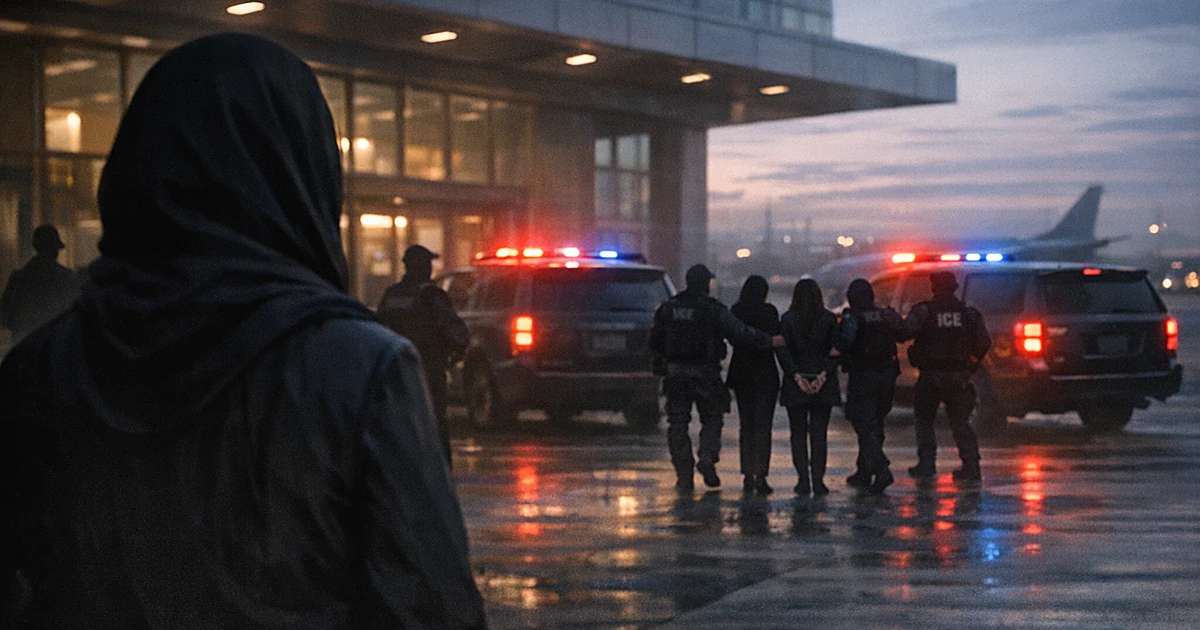
U.S. Immigration and Customs Enforcement said Vilchez Lazo was from Peru and was living in the country illegally when he committed the crimes. Uber stated he never drove for them. Lyft confirmed he had been a driver on its platform but said he lied about his immigration status when he applied.
That detail alone should raise serious questions about vetting at major rideshare companies, and about the broader immigration enforcement failures that allowed a man with no lawful presence in the United States to operate freely for years. The New York Post reported that Vilchez Lazo was arrested in July 2018 and that prosecutors described how he placed Uber and Lyft stickers on his car and waited outside bars and nightclubs to find victims.
The case is hardly an isolated example. Across the country, illegal immigrants with extensive criminal histories have been linked to violent attacks on women, raising persistent questions about whether local and federal authorities are doing enough to protect the public.
The DA speaks, and the victims' ordeal in court
Jenkins used the verdict announcement to highlight the fear Vilchez Lazo's crimes generated across San Francisco and the rideshare industry itself. She noted that his actions forced changes in how riders verify their drivers.
"How many women had to be reminded at that time to be sure to check license plates when they were getting ready to enter a rideshare? That they didn't say their name, but rather, wait for the driver to say their names?"
Jenkins added:
"This conduct led to so many changes and so much fear stoked in women who were simply trying to get home safely."
The district attorney also addressed what the victims endured during the 12-week trial. Defense attorneys subjected them to extensive cross-examination, accusing them of consenting to the conduct or seeking it out.
Jenkins did not mince words about that strategy:
"The defense put them through unimaginable amounts of questioning, accusing them of horrific things like consenting to this conduct or seeking for it to happen. This is what victims go through in the criminal justice system, and each and every day, we work hard in this office to help them tell their stories."
At the verdict announcement, Jenkins declared that justice had been served. "Mr. Vilchez Lazo is now being held accountable for these heinous crimes," she said, as the New York Post reported.
The seriousness of the charges and the length of the trial reflect the gravity of what these women survived, a pattern of violence that echoes other high-profile criminal cases where victims waited years for accountability.
What the conviction means, and what it doesn't fix
Vilchez Lazo faces up to 100 years-to-life or life in prison. The exact sentencing date at the end of April has not been finalized. The Daily Mail reported it had reached out to the San Francisco District Attorney's Office for further comment.
The conviction is the right outcome. But it arrived after a five-year gap between the first reported assault in 2013 and the arrest in 2018. Four women were raped. Phones were stolen. A man who had no legal right to be in this country drove around San Francisco with fake rideshare stickers, circling nightclubs and preying on young women trying to get home.
Lyft admitted he lied about his immigration status on his application. ICE confirmed he was here illegally. And yet he operated for years.
The broader pattern of violent crimes committed by illegal immigrants continues to demand attention from policymakers and law enforcement alike. Cases like the recent federal charges in New Jersey and other serious criminal matters remind Americans that enforcement gaps carry real consequences for real people.
The real cost
The women at the center of this case were college students and young professionals. They left bars and nightclubs and did what millions of Americans do every weekend, they called a ride. The car had the right stickers. The driver said the right words. And they got in.
They paid a price no one should pay for trusting a system that was supposed to be safe. Vilchez Lazo will likely spend the rest of his life behind bars. But the questions his case raises, about immigration enforcement, about platform vetting, about the years it took to stop him, deserve answers that a prison sentence alone cannot provide.
When the system fails to keep people out who have no right to be here, it is not an abstraction. It is a 21-year-old woman in an abandoned lot with no phone, no help, and no way home.