Minnesota Rep. Ilhan Omar revises initial characterization of fatal ICE-involved shooting
Minneapolis is once again at the center of a storm over law enforcement actions after a tragic shooting by an ICE agent last Wednesday.
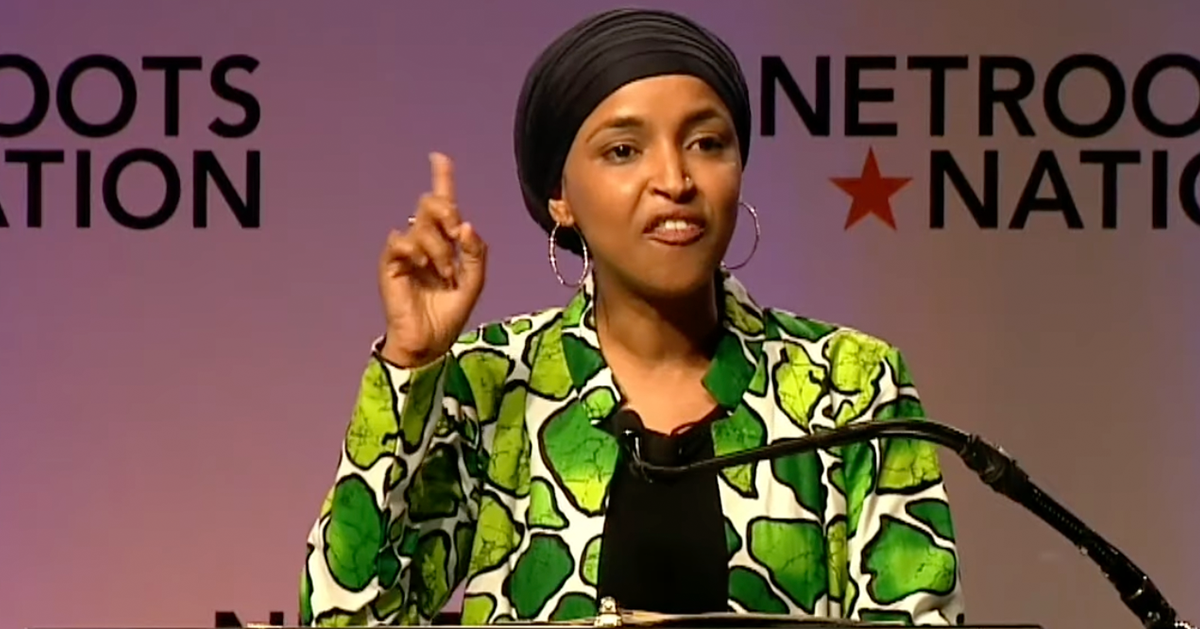
Rep. Ilhan Omar, a Minnesota congresswoman, initially denied claims that anyone was run over during the fatal shooting of Renee Nicole Good, a 37-year-old mother of three and local poet, by ICE agent Jonathan “Jon” Ross. The incident occurred in Minneapolis during a protest against the planned detention of Somali migrants, according to the Trump Administration. After Ross released footage on Friday showing the encounter, Omar adjusted her narrative on Sunday during an appearance on CNN’s Face the Nation, acknowledging that Good’s SUV was moving when shots were fired.
The issue has sparked intense debate over law enforcement tactics and accountability, especially in a city still haunted by the murder of George Floyd over five years ago. Residents are grappling with yet another controversial act of violence involving an officer. Let’s unpack the timeline and the shifting accounts of this heartbreaking event.
Timeline of a Tragic Encounter
Last Wednesday, Renee Nicole Good was in her car during a protest when a confrontation with ICE agent Jon Ross escalated. Videos circulating widely show a tense exchange, with Good speaking from inside her Honda and her wife, Rebecca Good, age 40, challenging Ross to reveal his face, as the Daily Mail reports.
Ross, wearing a face covering, ordered Good to exit the vehicle, but she refused. Footage captures her revving the engine before driving off, a moment that would prove fatal. Ross fired three shots, one through the windshield, striking and killing Good.
Federal officials have claimed the shooting was an act of self-defense, while the city’s mayor condemned it as “reckless” and unnecessary. Ross’s own phone footage, released Friday, shows his camera jerking during Good’s final moments, though the cause of the movement remains unclear. This video prompted a shift in Rep. Omar’s public statements.
Omar’s Changing Narrative Draws Scrutiny
Initially, Omar insisted that “no one is run over” during the incident, pushing back against claims by President Trump that Good had endangered Ross. She argued the videos showed no agent falling or being struck. This stance came just days before new evidence emerged.
On Sunday, speaking with CNN’s Jake Tapper, Omar admitted Good’s vehicle was in motion when Ross fired. She described Good as “peacefully waving cars to get by” before the agent approached aggressively. The congresswoman’s reversal has fueled questions about her initial assessment.
Omar further stated, “If they are saying that he has ten years of service and is trained, he should know that you shouldn’t be trying to get in front of a moving car.” Her critique of Ross’s actions suggests negligence, but was it fair to expect split-second perfection in a high-stress moment? Training or not, situations like these are messy and unpredictable.
Trump’s Take and Public Reaction
President Trump has taken a hard line, asserting Good “behaved horribly” and directly endangered Ross. He told the New York Times she didn’t just attempt to hit the agent—she succeeded. His words paint a stark contrast to Omar’s evolving narrative.
Trump’s assertion that Good “ran him over” aligns with federal claims of self-defense but clashes with videos that don’t clearly show Ross being struck. Public opinion remains divided, with many Minneapolis residents reeling from another officer-involved death. The mayor’s condemnation only deepens the sense of distrust.
This incident, tied to a protest over migrant detentions, underscores broader tensions over immigration enforcement policies. While the administration frames it as a necessary response, critics see overreach. The balance between security and civil rights hangs in a precarious spot once again.
Minneapolis Faces Another Reckoning
Good’s death has reignited pain in a city still scarred by past incidents of law enforcement violence. Her identity as a poet and mother of three humanizes a story that could easily be reduced to political talking points. Her wife’s vocal challenge to Ross in the video adds a raw, personal layer to the tragedy.
As investigations unfold, Omar’s call for accountability resonates with many, but her shifting story raises eyebrows. Was it a genuine correction based on new footage, or a political pivot under pressure? The public deserves clarity, not contradictions.
Minneapolis stands at a crossroads, wrestling with how to address law enforcement actions without tipping into chaos or excusing dangerous defiance. Good’s death is a loss, no matter the circumstances, and Ross’s split-second decision will be dissected for months. Let’s hope the truth, not agendas, guides the outcome.