Navy and Marine boards defy Hegseth’s transgender discharge order
Navy and Marine review boards recommended retaining transgender troops in nine of twelve cases despite Hegseth’s discharge directives, undercutting the Pentagon’s push for military readiness standards.
The Daily Caller reported that nine of 12 Navy and Marine Corps review boards have urged the military to keep transgender service members, even after Pentagon directives called for their discharge under Defense Secretary Pete Hegseth.
The pattern collides with President Donald Trump’s January 2025 executive order restoring clear sex-based standards for service. It also sits against a voluntary-separation program that already moved hundreds of transgender troops out of uniform.
Board recommendations are not the final word. Civilian branch secretaries can still override them. But the split between sea services and other branches shows how uneven enforcement has become inside the force.
Sea-service panels vote to keep most cases
Breitbart reported the breakdown: Navy boards backed retention in seven of nine cases, and Marine boards did so in two of three. Army boards, by contrast, recommended discharge in nearly all of about 50 cases. Air Force panels backed discharge in every known case.
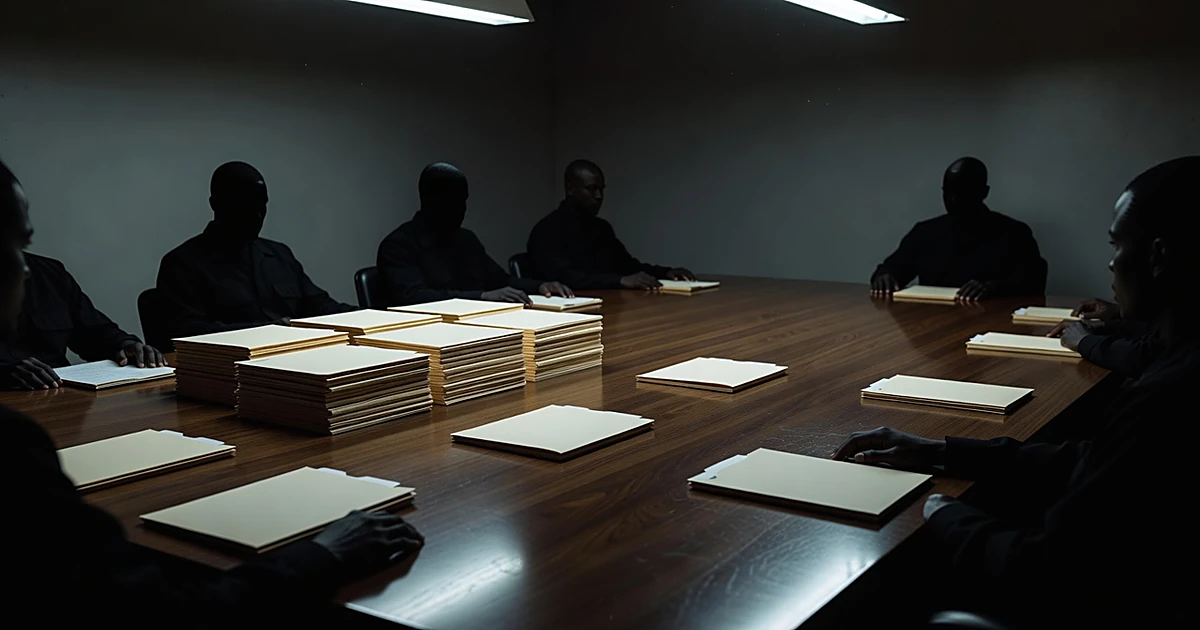
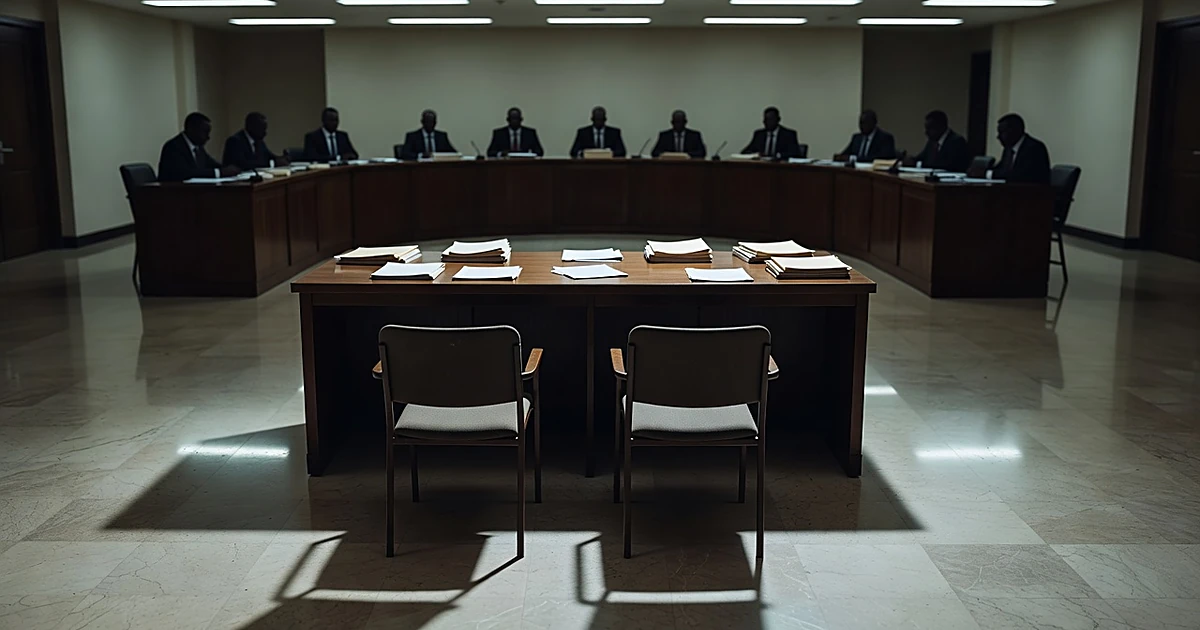
Three-member separation boards handle service members who challenge dismissal. Officers receive written criteria for separation. One automatic ground listed in the Contreras hearing was “a history of cross sex hormone therapy.”
Some panels still crossed out required dysphoria findings and voted to retain, citing service records instead, even though boards were instructed not to weigh performance, skills, or combat experience in that way.
That choice puts local judgment ahead of the standards the Pentagon set for the whole force. It also leaves commanders and taxpayers with mixed signals about who stays and why.
Trump’s order set the standard in plain language
In January 2025, President Trump signed an executive order on military excellence and readiness. The order rejected gender-identity rules that treated sex as optional.
The text was direct:
“The Armed Forces have been afflicted with radical gender ideology to appease activists unconcerned with the requirements of military service like physical and mental health, selflessness, and unit cohesion,”
It continued:
“[E]xpressing a false ‘gender identity’ divergent from an individual’s sex cannot satisfy the rigorous standards necessary for military service... adoption of a gender identity inconsistent with an individual’s sex conflicts with a soldier’s commitment to an honorable, truthful, and disciplined lifestyle, even in one’s personal life. A man’s assertion that he is a woman, and his requirement that others honor this falsehood, is not consistent with the humility and selflessness required of a service member.”
Those lines framed sex-based standards as a readiness issue, not a culture fight. Hegseth’s directives followed that order. The boards’ retention votes test whether the chain of command will enforce it.
Trump has faced other high-stakes personnel and justice decisions in recent coverage, including debate over the Nidal Hasan execution plan, but the military standard here rests on the order itself.
Contreras case shows how a board sidestepped the criteria
Marine Staff Sgt. Damien Contreras, a biological female who identifies as male, was put on paid leave in April over 2017 cross-sex hormone use and male identification. In August, the Marine was flown from Hawaii to Marine Corps Base Quantico for a separation hearing.
A government lawyer presented the documents. The board circled “remains qualified” rather than the hormone-therapy finding that was listed as automatic grounds for separation.
Contreras later described the panel’s mindset this way:
“You have war fighters looking at war fighters... ‘Hey, this is a good Marine, why wouldn’t we retain him?'”
That is the core problem. The criteria were not written as a popularity or performance contest. They were written to restore sex-based rules after years of policy churn. A board that skips the listed ground turns a directive into a suggestion.
Hegseth has also drawn separate Republican pressure in Congress, including calls from Rep. Thomas Massie related to his standing with the House, yet the discharge policy still rises or falls on whether boards apply the rules they were given.
Hundreds left under a paid exit path; litigation continues
Right after the executive order, the Pentagon set up a system that paid transgender service members to leave voluntarily. Hundreds took that path. The review boards now handle the cases that remain and fight removal.
The New York Times reporting cited in the coverage also noted the Navy has nearly twice as many people who identify as gay, bisexual, or transgender compared with other branches, context for why sea-service panels are seeing more of these files.
The Pentagon told the Daily Caller News Foundation it does not comment on ongoing litigation. That silence leaves the public with board tallies, one detailed hearing, and no full accounting of how many overrides civilian leaders will issue.
Critics of the old policy have argued the force was never meant to underwrite elective identity medicine. On Oct. 17, 2026, Renee’ Springer wrote on X:
“The U.S. Military is gender neutral and merit based. If you need to identify as anything other than male or female which is what the paperwork across the nation usually has in its infrastructure, then you disqualify yourself. Many were also joining the military to get their transgender surgeries and treatments paid for by the federal government. The military should not be the personal elective treatment facility for anyone. That was a waste of the military’s time and money. If you want surgery, stay out of the military and pay for it yourself like you should.”
That view matches the executive order’s focus on honesty, discipline, and unit standards. It does not match boards that mark “remains qualified” when the listed medical history points the other way.
Other Trump-world fights over scrutiny and accountability have run in parallel, from Eric Trump’s backing of an FCC probe into a killed ABC story to press arguments over official statements. The military question is simpler: do written separation criteria bind the panels that receive them?
Army and Air Force followed the directive; Navy and Marines did not
The branch split is the cleanest fact in the file. Army panels recommended discharge in nearly all of roughly 50 cases. Air Force panels did so in all known cases. Navy and Marine panels recommended retention in nine of twelve.
Rachel VanLandingham told the Times the boards feel boxed in:
“These boards are being told to do something that they know is wrong, to rubber-stamp a non-choice given to them by the administration,”
That is one reading from critics of the policy. The opposing reading is basic civil-military order. Elected leadership set the standard. The secretary issued directives. Boards were handed criteria. Crossing out the finding and voting to retain is not neutral judgment, it is a refusal to apply the rule as written.
Sen. Thom Tillis has separately demanded changes around Hegseth after an Army secretary’s resignation, but personnel drama in Washington does not rewrite the readiness order or the separation checklist at Quantico.
Open questions remain. The public file does not name which nine boards voted to retain, show full vote tallies, or release the complete criteria sheet beyond the phrases marked in the Contreras hearing. Exact day-level dates for the April leave and August hearing are not pinned down in the reporting. The pending lawsuits are unnamed in the Pentagon’s no-comment response.
What is known is enough. Most Navy and Marine boards recommended keeping transgender troops. Army and Air Force boards largely did not. One Marine panel flew a service member across the Pacific, received hormone-therapy evidence treated as automatic grounds for separation, and still circled “remains qualified.”
Military standards only work when boards apply them. If panels can swap the checklist for their own scorecard, the order on paper never reaches the formation.