Trump cautions on potential fallout of Supreme Court ruling on emergency tariffs
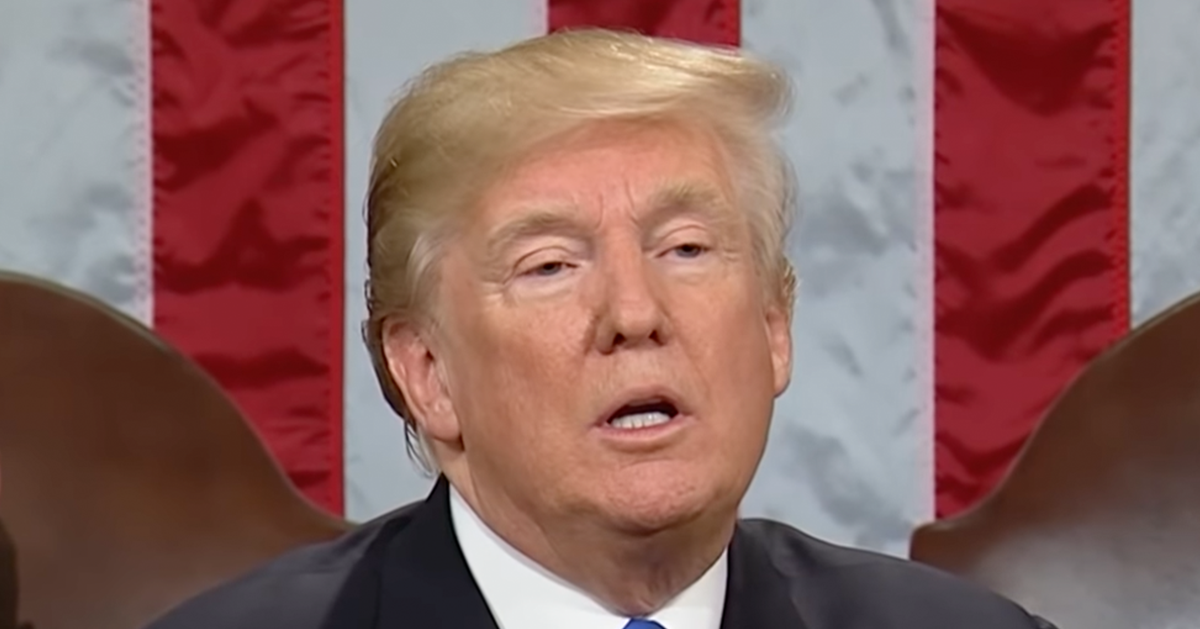
President Trump has issued a stark warning about the potential fallout from a looming Supreme Court decision on his emergency tariff policies.
On Monday, Trump expressed concern via Truth Social that a ruling against his reciprocal tariffs could force the U.S. government to repay billions in collected revenue. The Supreme Court is set to decide as early as Wednesday on the case of Learning Resources v. Trump, which challenges whether tariffs imposed under the International Emergency Economic Powers Act (IEEPA) constitute an unconstitutional tax. As of mid-December, these tariffs have generated $133.5 billion, a sum that could be at risk if the court sides with the educational toymaker plaintiff.
The debate over these tariffs, which include a 10% baseline rate imposed last April and higher rates for trade-deficit nations since August, has ignited fierce discussion. Supporters of Trump’s policies argue they’ve pressured major trading partners into concessions, while detractors see them as overreaching executive power. The stakes couldn’t be higher as the nation awaits the court’s verdict.
Trump’s Dire Warning on Financial Fallout
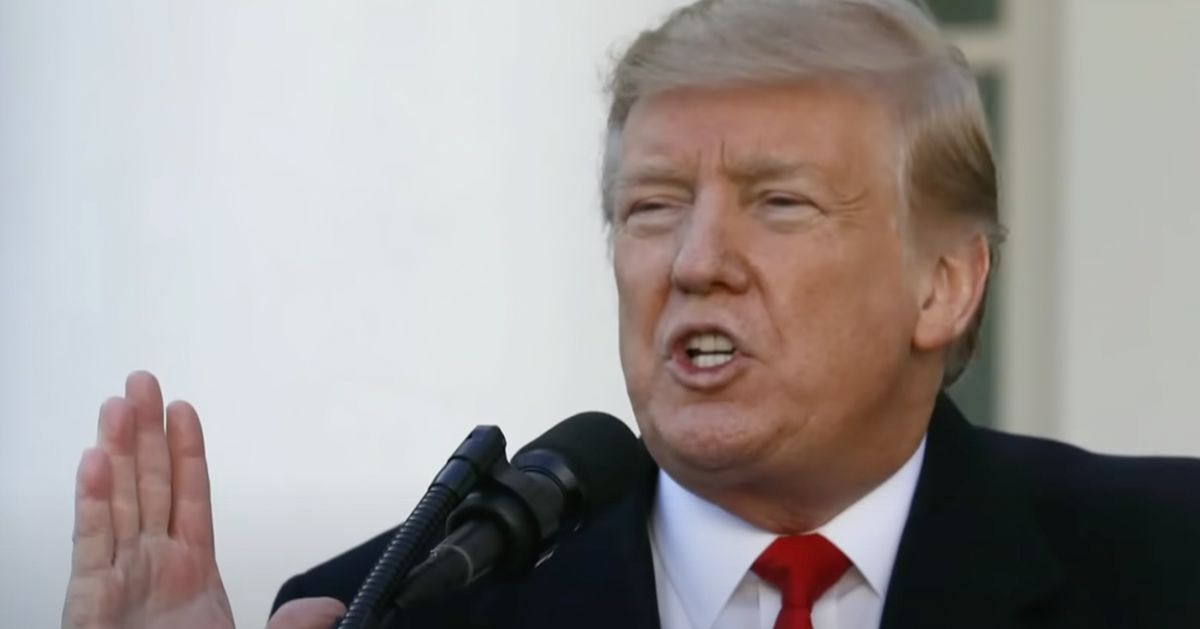
Trump didn’t mince words on Truth Social, painting a grim picture of the consequences should the Supreme Court rule against the U.S. "[I]f the Supreme Court rules against the United States of America on this National Security bonanza, WE’RE SCREWED!” he declared, as the New York Post reports. That kind of bluntness underscores the urgency he feels about protecting what he sees as a vital economic strategy.
Let’s unpack that statement. The idea of refunding “many Hundreds of Billions of Dollars,” as Trump put it, isn’t just a fiscal headache—it’s a potential gut punch to an administration fighting to maintain leverage in global trade. If the repayments spiral into the trillions when factoring in investment-related demands, as Trump warns, the U.S. could be mired in financial quicksand for years.
These tariffs aren’t just numbers on a ledger; they’ve been a bargaining chip to secure deals, pushing foreign nations to invest in American soil and lower barriers for U.S. goods. Losing this tool now could unravel hard-won progress. It’s no wonder Trump calls the potential outcome a “complete mess.”
Treasury’s Take on Repayment Challenges
Treasury Secretary Scott Bessent, speaking to Reuters, offered a more measured tone, suggesting repayments wouldn’t be an immediate crisis. “It won’t be a problem if we have to do it, but I can tell you that if it happens — which I don’t think it’s going to — it’s just a corporate boondoggle,” he said. But is that optimism or just spin to calm jittery markets?
Bessent’s confidence hinges on the Treasury’s $774 billion cash reserve, a hefty buffer by any measure. Yet, his quip about whether companies like Costco, currently suing the government, would pass refunds to customers raises a fair point. Why should corporate giants pocket a windfall while everyday Americans see no relief at the checkout?
The logistics of repayment also loom large, with Bessent noting it wouldn’t happen overnight but could stretch over weeks, months, or even a year. That’s a bureaucratic slog that could frustrate businesses awaiting their due. It’s hard to see this as anything but a messy distraction from bigger economic priorities.
Broader Tariff Policies Still in Play
Even if the Supreme Court strikes down the IEEPA-based tariffs, other Trump-imposed duties—like 25% on vehicles, 10% on fentanyl from China, and 50% on metals—remain untouched, enacted under separate legal grounds. That’s a silver lining for those who see tariffs as a necessary shield for American industry. It shows this administration isn’t putting all its eggs in one basket.
Administration officials have signaled Trump would pivot to new legal justifications to reinstate the reciprocal tariffs if needed. Still, they admit the government would likely owe about $150 billion in refunds regardless. That’s a bitter pill, even if spread out over time.
The case of Learning Resources v. Trump isn’t just about one company; it’s a test of executive power in economic policy. A win for the plaintiff could open the floodgates for countless businesses and merchants to demand repayments. The resulting confusion might bog down an administration already juggling complex trade negotiations.
Long-Term Implications for Trade Strategy
Trump’s tariffs have been a lightning rod, hailed by some as a bold stand against unfair trade practices and decried by others as a burden on consumers. If the court rules against him, it could embolden critics who argue the executive overstepped its bounds. But let’s not forget the deals these policies have secured—investments in plants and factories don’t materialize without pressure.
The potential for a years-long battle to sort out who gets what in repayments is a nightmare scenario for efficient governance. It’s not just about dollars; it’s about the message it sends to trading partners watching closely. Will they see a weakened U.S. resolve or double down on their own concessions?
As the decision nears, the nation holds its breath on a ruling that could reshape trade policy for years. Trump’s warning isn’t just rhetoric—it’s a call to recognize the stakes of balancing national security with economic reality. Whatever the court decides, the ripple effects will be felt from factory floors to boardrooms across the globe.