Trump critiques Civil Rights Act's impact on white Americans
Donald Trump has stirred a major controversy with his bold take on a historic law.
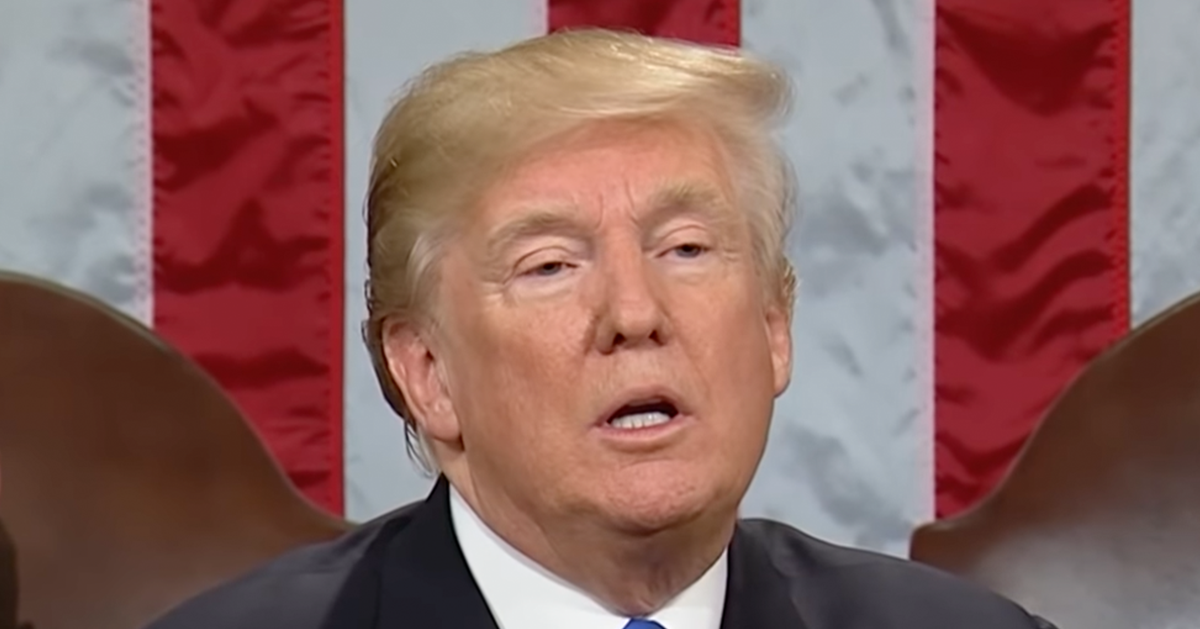
In an interview with the New York Times published on Monday, Trump shared his views on the Civil Rights Act, enacted in 1964 by President Lyndon B. Johnson. Championed by Martin Luther King Jr., the law banned discrimination based on race, color, religion, sex, or national origin, ending segregation in schools and workplaces while curbing voting repression. Trump recognized its achievements but argued it has resulted in what he termed "reverse discrimination," suggesting white Americans have faced unfair treatment as a consequence.
Alongside these statements, Trump highlighted his administration’s drive to eliminate diversity, equity, and inclusion (DEI) programs across federal agencies, beginning with an executive order on his first day in office last year. Top officials, including Vice President JD Vance, have urged white men to file discrimination complaints with the Equal Employment Opportunity Commission (EEOC) for potential financial remedies. The EEOC, led by chair Andrea Lucas, has recently emphasized reviewing cases of bias against white male employees.
Trump’s Comments Ignite Policy Debate
The issue has fueled heated discussion over the legacy of civil rights laws and the trajectory of current equity measures, as the Daily Mail reports. While the Civil Rights Act remains a pillar of equality, Trump’s perspective prompts scrutiny of whether its execution has drifted from its original intent.
Trump declared, "White people were treated very badly, where they did extremely well and they were not invited to go into a university to college." This assertion hints at a system where merit may be overshadowed by policies favoring certain groups. If access to opportunities hinges on factors beyond individual achievement, doesn’t that clash with the core idea of fairness?
He added, "I think it was also, at the same time, it accomplished some very wonderful things, but it also hurt a lot of people - people that deserve to go to a college or deserve to get a job were unable to get a job." The duality here is striking: praising the law’s noble goals while pointing out real grievances. It’s a tough balance when efforts to right historical wrongs seem to spawn fresh inequities.
EEOC Redirects Focus to New Claims
Historically a champion for minorities and women in workplace bias cases, the EEOC is now shifting gears under Lucas’s guidance. Her recent video on X underscored the agency’s renewed attention to claims from white men facing discrimination. This aligns with Trump’s broader campaign against what he views as misguided diversity efforts.
Trump’s critique of diversity initiatives as tied to "incompetence and inferiority" cuts to the core of anti-woke sentiment. Shouldn’t equality mean judging individuals on their merits, not group affiliations? For many, this push feels like an overdue return to practical, merit-based standards.
Since last year, dismantling DEI offices has been a hallmark of Trump’s agenda. The executive order targeting these programs in federal agencies sent a firm signal: no more policies perceived as giving unfair advantages. Supporters argue this evens the odds, while critics fear it could undo significant strides toward inclusion.
Revisiting the Spirit of Fairness
Consider the Civil Rights Act’s fundamental aim—stopping discrimination in all forms. When Trump suggests it has led to "reverse discrimination," he’s echoing a frustration among those who feel the system now tilts too far in one direction. The challenge lies in whether adjusting these policies restores equity or risks dismantling progress.
The EEOC’s updated mission to address all forms of bias, including against white men, marks a notable pivot. It’s a stance that could reshape how workplace fairness is pursued across the nation. This isn’t about ignoring past injustices but ensuring that no one is sidelined today.
Trump’s remarks aren’t merely historical commentary; they’re a direct challenge to modern equity frameworks. If the goal of landmark laws was impartiality, shouldn’t that apply across the board? His critique pushes for a hard look at whether current approaches align with that vision.
Weighing History Against Today’s Needs
The encouragement for white men to seek federal restitution is a concrete policy shift. It aims to address perceived imbalances without dismissing the struggles of other groups. Navigating this path requires precision to avoid creating new grievances while addressing existing ones.
Ultimately, Trump’s statements and related actions call for a reevaluation of long-held progressive policies. Without diminishing the Civil Rights Act’s monumental impact, there’s space to question if its application has strayed from its roots. This dialogue, though contentious, is essential for pursuing genuine equality.
The debate over civil rights and diversity policies is far from settled. Trump’s administration seems intent on reshaping the conversation, prioritizing a universal standard of fairness. Whether this approach will unify or further divide remains a critical question for the nation’s future.