Trump signals plan for executive action on AI regulation
Brace yourselves, folks -- President Trump is gearing up to shake up the chaotic world of AI regulation with a bold executive order.
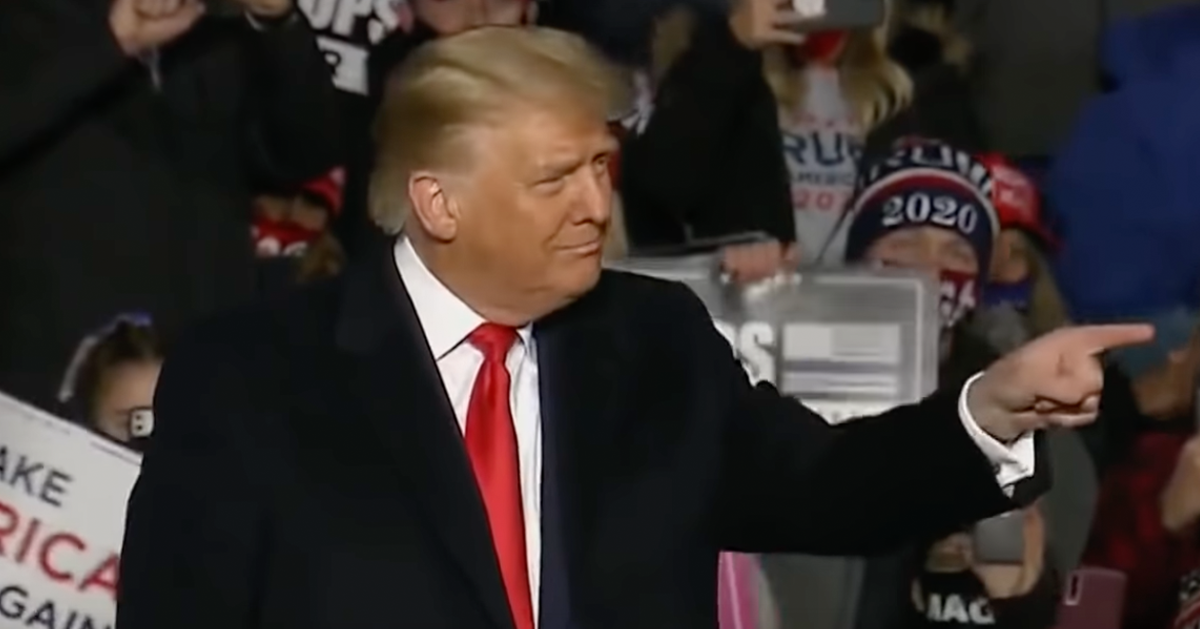
After Congress dropped the ball on a unified federal framework for artificial intelligence rules, Trump announced on Monday his plan to override the messy web of state-level AI laws, as The Hill reports.
This isn’t just a minor fix; it’s a sharp critique of 50 states crafting their own tech policies. Trump aired his concerns on Truth Social, warning against a patchwork of rules that could choke innovation. A single standard seems like the logical path to keep us ahead globally.
Trump’s Call for a National AI Rulebook
Trump didn’t hold back on social media, making his stance crystal clear. “There must be only One Rulebook if we are going to continue to lead in AI,” he posted on Truth Social. Honestly, forcing companies through a maze of state approvals is a recipe for stagnation.
He promised quick action, declaring, “I will be doing a ONE RULE Executive Order this week.” That’s vintage Trump -- slashing through bureaucracy with gusto. While details are scarce, the message is loud: no more state-level meddling.
A draft of the order, spotted in late November, hinted at a task force to push back on state AI laws and limit broadband funding for states with heavy-handed rules. If that’s the blueprint, it’s a savvy way to encourage compliance without direct confrontation. But will it withstand legal challenges?
Congressional Stumble Leads to Executive Step
Before Trump’s move, House GOP leaders tried to tuck an AI preemption clause into the National Defense Authorization Act, only to face a dead end. Pushback from within their party derailed the plan, and the final NDAA text, released late Sunday, omitted the provision. It’s typical Washington gridlock forcing the president’s hand.
House Majority Leader Steve Scalise (R-LA) conceded last week that they were “looking at other places” for the AI measure. That’s essentially admitting they’re out of options, clearing the path for Trump’s executive play. When lawmakers falter, the White House often steps in.
Some Republican leaders even pressed Trump to delay the order, hoping for a legislative solution via the NDAA. With that opportunity gone, the president appears set to forge ahead. Waiting around isn’t exactly his style.
Republican Divide on Federal vs. State Control
The AI regulation debate has split conservatives, with some backing Trump’s push for a national standard to fuel innovation and maintain America's edge. Others, like Rep. Marjorie Taylor Greene (R-GA) and Sen. Josh Hawley (R-MO) resist federal overreach, championing states’ rights. It’s a valid concern -- why should D.C. control everything?
Still, Trump’s logic holds water when you picture tech firms drowning in compliance costs from fragmented state rules. A streamlined federal approach isn’t just business-friendly; it’s crucial for staying competitive worldwide. Yet, ignoring state perspectives could alienate important allies.
This isn’t solely about AI -- it’s about who holds the reins. Trump’s drive for federal dominance might simplify things, but it’s a tough pitch for those who view state autonomy as fundamental. This internal clash isn’t fading anytime soon.
Anticipation Builds for AI Order Details
As the week progresses, everyone’s watching for the nuts and bolts of Trump’s promised “ONE RULE” order. Will it echo the leaked draft’s hard line on state laws, or ease up to calm critics? It’s a high-stakes gamble in new territory.
For now, the tech sector waits anxiously, aware that a cohesive federal policy could be transformative -- or a magnet for backlash. Striking a balance between innovation and oversight is tricky, but if anyone’s ready to take a big swing, it’s Trump.
Let’s hope the outcome isn’t a swing and a miss. The stakes for America’s tech leadership are sky-high, and getting this right matters more than ever.