Trump suggests Ted Cruz for Supreme Court nomination
President Donald Trump dropped a surprising idea on Wednesday that could shake up Washington’s power dynamics.
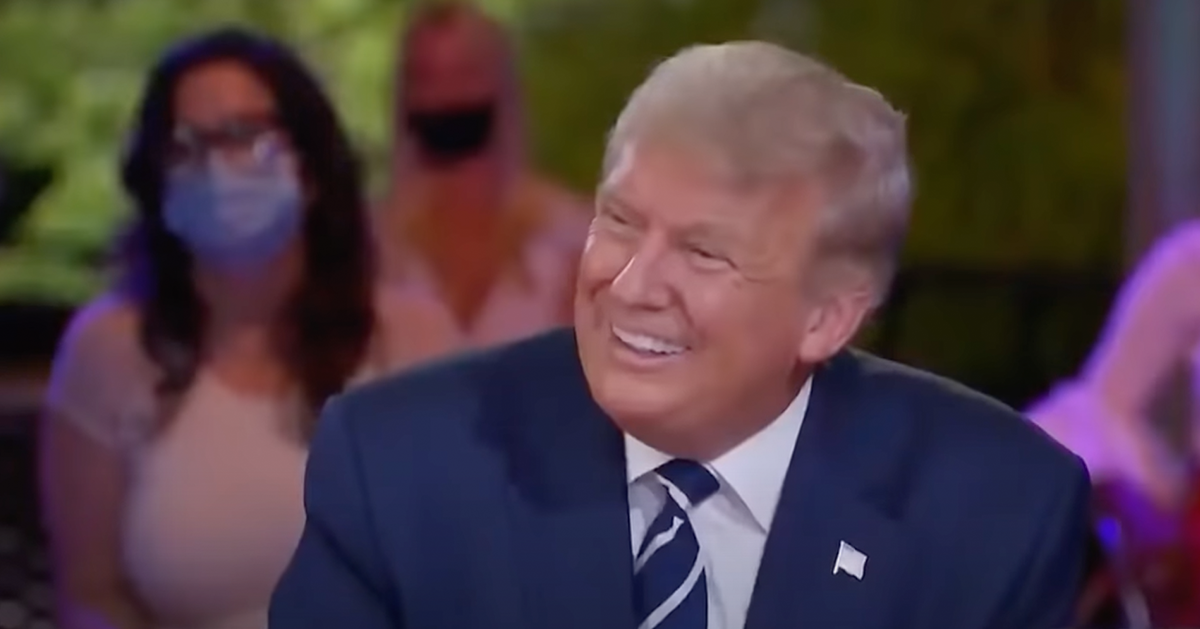
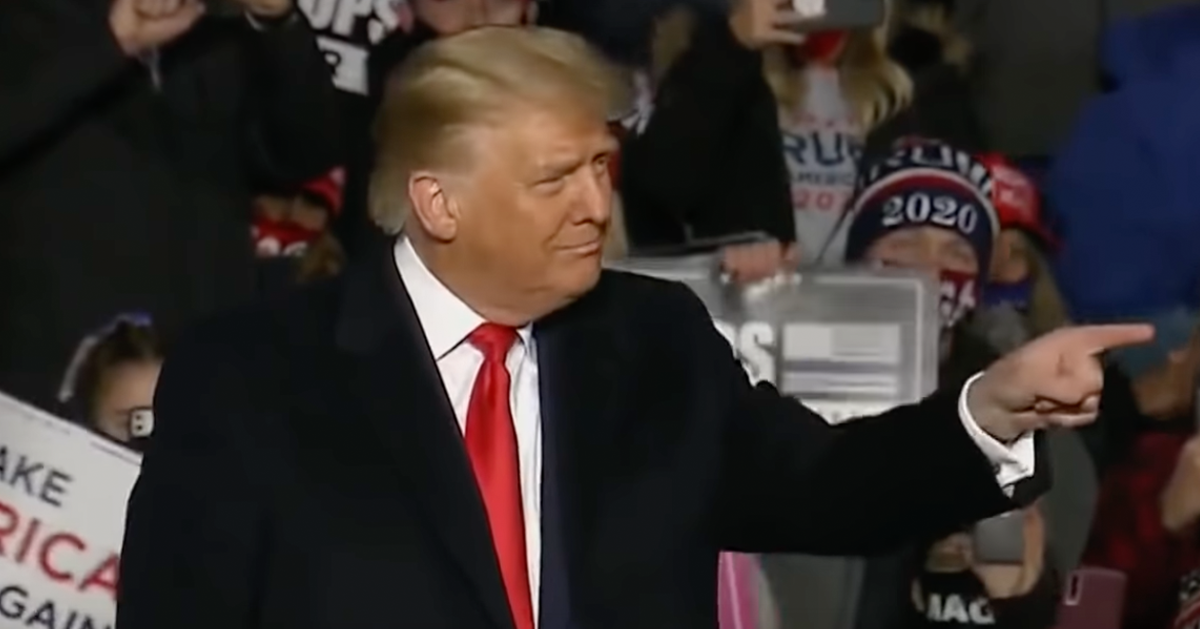
During a speech promoting his Trump Accounts, Trump floated the notion of nominating Senator Ted Cruz (R-Texas) to the Supreme Court. He suggested that such a move could achieve rare bipartisan support in the Senate. The comment came as part of a broader address, though no current vacancy exists on the nine-member court.
Trump’s Unexpected Supreme Court Proposal
The idea of Cruz on the high court has sparked immediate conversation. While Trump has already appointed three justices—Neil Gorsuch, Brett Kavanaugh, and Amy Coney Barrett—during his first term, there’s no opening right now.
Those appointments have solidified a conservative majority on the court. This shift has been a key achievement for those prioritizing traditional judicial values.
According to Newsmax, several of the court’s conservative justices, including Clarence Thomas and Samuel Alito, are among the oldest serving members. However, none have signaled any intent to step down soon. Any new nomination would likely depend on an unforeseen vacancy.
Cruz Nomination: Bipartisan Support or Jest?
The issue has ignited debate across political circles. While Trump’s suggestion was delivered with humor, it raises questions about Senate dynamics and the future of the judiciary.
Trump didn’t shy away from a playful jab at the Senate’s gridlock. “Because it's hard to get people approved,” he quipped, highlighting the often contentious confirmation process.
He went further with a bold prediction. “If I nominate Ted Cruz for the United States Supreme Court, I will get 100% of the vote,” Trump declared. It’s a line that drew laughs but carried a pointed message.
Behind the Humor: A Serious Point
Let’s unpack that claim—it’s less about Cruz’s legal mind and more about Senate frustration. Trump is suggesting that both parties might unite just to see Cruz leave the legislative chamber. It’s a sharp commentary on how personal rivalries can overshadow policy debates.
Cruz, known for his firm conservative stances and legal expertise, isn’t without detractors. His Senate tenure has often polarized colleagues, earning both staunch support and strong opposition. Would his potential elevation to the court unify or further divide?
Trump’s past appointments have already tipped the court rightward, a victory for those who favor originalist principles over progressive judicial shifts. Another conservative pick—especially without a vacancy—could reignite calls for court reform. It’s a risky idea, even if framed as a jest.
Future of the Court in Focus
For now, this remains a hypothetical, as no justice has hinted at stepping down. The court’s current conservative lean continues to influence major rulings on rights and federal power. That balance is crucial for many who reject activist judicial trends.
Still, Trump’s words underscore how swiftly the judicial landscape could change. An unexpected vacancy might turn this quip into a real debate, forcing lawmakers to weigh Cruz’s record and rhetoric.
Ultimately, Trump’s suggestion blends political theater with strategy. It spotlights tensions between legislative and judicial spheres while poking at Senate dysfunction. Whether a serious trial balloon or just a passing remark, it’s got Washington buzzing.