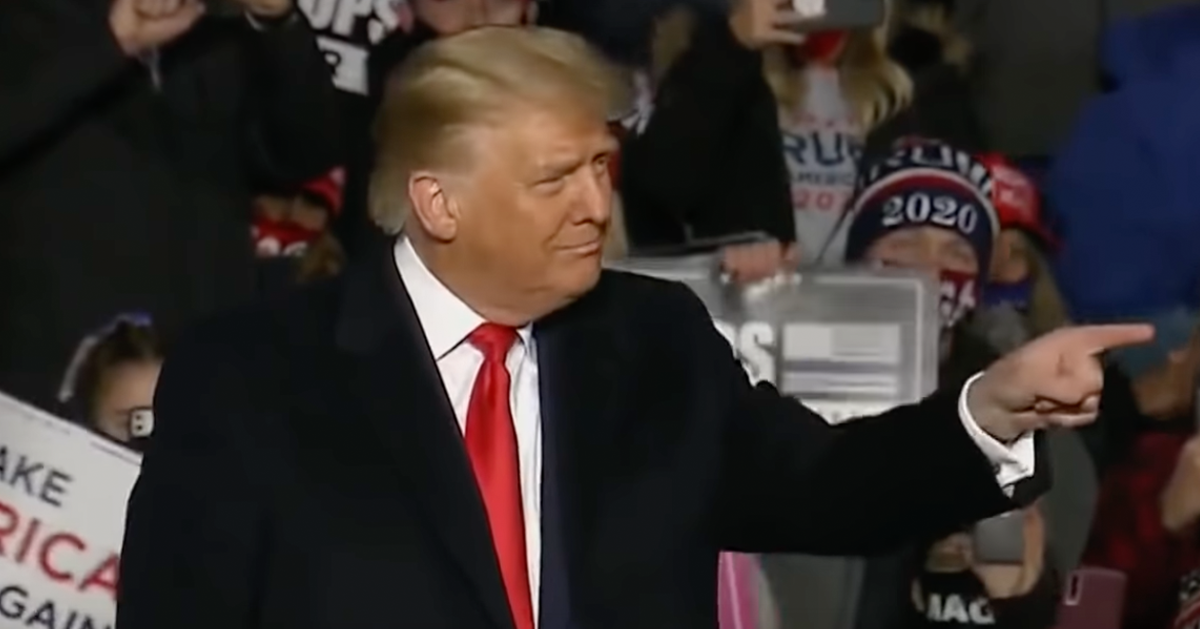
Trump urges change in Iran's leadership amid online feud with Khamenei
President Donald Trump has ignited a fiery exchange with Iran's Supreme Leader Ayatollah Ali Khamenei, thrusting the spotlight on Tehran's leadership with sharp criticism.
On Saturday, Trump publicly criticized Khamenei, labeling him as unwell and calling for new leadership in Iran. The remarks followed a series of posts by Khamenei on X, where the Iranian leader branded Trump a criminal and blamed him for damages to the Iranian nation. This verbal clash escalated as both leaders traded accusations, with Khamenei alleging U.S. involvement in violence inside Iran, while Trump countered by highlighting Iran's internal struggles under its current regime.
The heated dialogue continued into Saturday evening in Tehran, with Khamenei reiterating claims of foreign interference in Iran's affairs. Reports also surfaced this week of emotional testimony on Persian television, where the daughter of a high-ranking Islamic Republic commander tearfully accused her father of ordering violence against civilians. Earlier this month, Trump had signaled readiness for potential U.S. action, though he later adjusted his stance after Iran reportedly paused plans for mass executions.
Trump and Khamenei Clash Over Iran's Future
The exchange between these two leaders has sparked intense debate about the direction of U.S.-Iran relations. Critics of the Iranian regime argue that Trump's blunt words reflect a long-overdue push for accountability in Tehran. Supporters of a tougher stance on Iran see this as a moment to challenge a leadership that has faced global scrutiny for its domestic policies, as the New York Post explains.
Trump didn't hold back, declaring, "It's time to look for new leadership in Iran." That statement cuts to the heart of a growing frustration with a regime many view as out of touch with both its people and the international community. If Iran’s leadership can’t address its internal failures, why should the world stand by silently?
Khamenei, for his part, fired back with equal venom, claiming, "The US's goal is to devour Iran." Such rhetoric plays into a familiar narrative of victimhood that distracts from the real issues plaguing Iranian citizens. Blaming external forces might rally some, but it sidesteps accountability for the violence and economic despair at home.
Accusations of Violence Fuel the Dispute
Khameni's accusations of U.S. and Israeli agents causing bloodshed inside Iran, including the tragic death of a young child, add a grave dimension to this feud. While these claims remain unverified by independent sources, they underscore the deep mistrust between the two nations. Emotional stories, like the televised testimony of a commander’s daughter, only amplify the perception of systemic cruelty within Iran’s power structure.
Trump’s response to such allegations was to point the finger squarely at Khamenei’s leadership failures. He argued that Iran has become a place of misery for its people due to poor governance. This perspective resonates with those who believe that regime change, or at least serious reform, is the only path forward.
Adding to the complexity, Israeli Prime Minister Benjamin Netanyahu reportedly urged Trump to hold off on any immediate military moves against Tehran. Arab nations, too, have cautioned against actions that could further destabilize the region. These diplomatic pressures highlight the tightrope the U.S. must walk in addressing Iran’s challenges without igniting broader conflict.
Balancing Tough Talk With Regional Stability
Trump’s earlier rhetoric this month, signaling that the U.S. was prepared for action if Iran continued harsh crackdowns, sent a clear message of resolve. Yet his decision to step back after Iran’s reported halt on mass executions shows a willingness to adapt to shifting circumstances. This flexibility could be a strategic move to avoid escalation while still maintaining pressure.
The core of Trump’s critique—that Iran’s leadership is failing its people—taps into a broader concern shared by many who oppose progressive foreign policies that prioritize endless dialogue over results. If a regime resorts to violence to maintain control, as alleged in numerous reports, isn’t it time for the international community to demand better?
Khamenei’s warnings about holding the U.S. accountable might resonate with his base, but they ring hollow to those who see Iran’s internal policies as the root of its suffering. The cycle of blame between Tehran and Washington risks drowning out the voices of ordinary Iranians caught in the crossfire.
Looking Ahead for Iran’s People
This public spat between Trump and Khamenei isn’t just about personal insults; it’s a window into the profound challenges facing Iran. The stories of violence and desperation, whether exaggerated or not, paint a picture of a nation in distress under its current rulers.
For those who value national sovereignty and stability, the question remains: how can the U.S. push for change without overstepping into chaos? Trump’s call for new leadership might be divisive, but it forces a necessary conversation about whether Iran’s status quo is sustainable.
As this tense exchange unfolds, the world watches to see if words will turn into action—or if diplomacy, however strained, can still prevail. The plight of Iran’s citizens, trapped between internal repression and external pressures, deserves more than just political theater. It demands solutions that prioritize their dignity and future over point-scoring between leaders.