Attorneys general back Kentucky Catholic order in Supreme Court prayer grotto fight
States are rallying behind a Kentucky Catholic order blocked from building a prayer grotto on its own land in a first-of-its-kind Supreme Court religious liberty case.
The U.S. Supreme Court has agreed to hear a dispute over whether local zoning can stop the Missionaries of St. John the Baptist from building a modest outdoor prayer grotto on their property in Park Hills, Kentucky, after state courts shut the project down.
Fox News Digital reported that an 18-state coalition of attorneys general, led by Kentucky Attorney General Russell Coleman, is urging the justices to reverse the block and protect religious land use under federal law.
Oral arguments are set for Jan. 20, 2027. The Court is focusing on a core question under the Religious Land Use and Institutionalized Persons Act, known as RLUIPA: whether barring a religious structure on an organization’s own property counts as a “substantial burden” on religious exercise.
Congress enacted RLUIPA in 2000 to shield houses of worship and religious groups from certain zoning and land-use rules that weigh them down. Coleman’s office says this marks the first time the Supreme Court is taking up the statute’s land-use protections.
City approved the shrine. Neighbors and state courts stopped it.
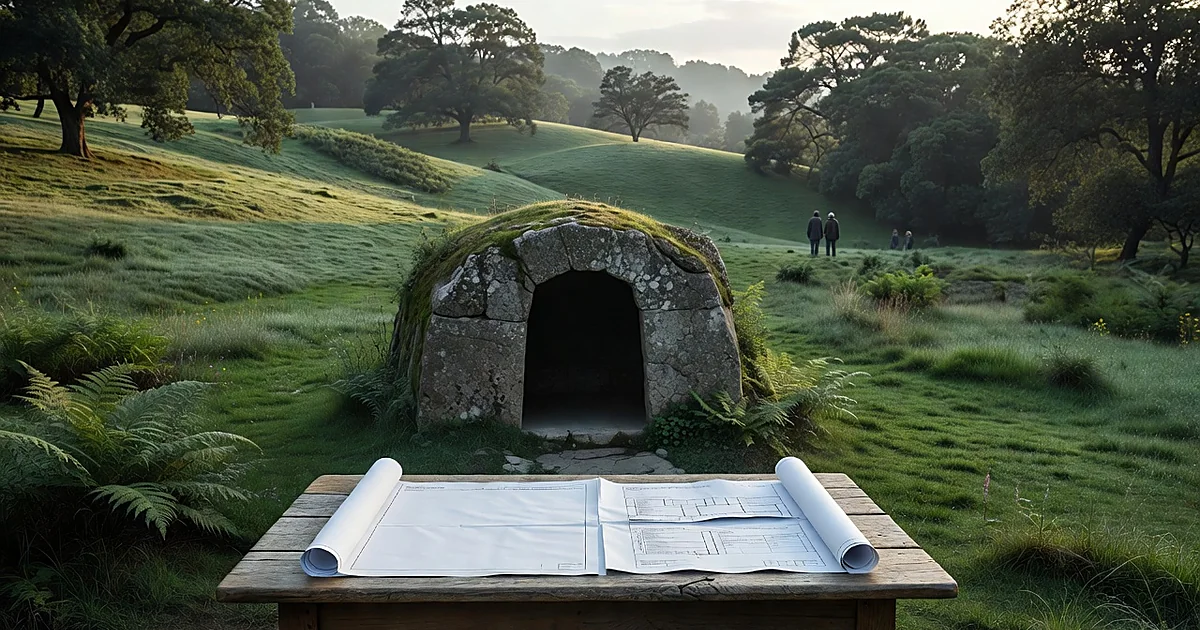
The Missionaries sought permission in 2021 to build a roughly 600-square-foot grotto, about 16 by 39 feet, with a shrine, plaza, walking path, and retaining wall. The structure would honor the Virgin Mary’s apparition to Saint Bernadette at Lourdes, France, and offer a quiet place for prayer and meditation.
The church building on the property has stood nearly a century. Park Hills adopted its zoning ordinance in 1974, long after the parish was already there.
In April 2021, the Park Hills Board of Adjustment approved the project. Neighboring property owners Joel and Elizabeth Frederic challenged that approval in court, arguing the plan violated local zoning rules.
A trial court first sided with the city. The Kentucky Court of Appeals reversed, finding the zoning board had exceeded its authority in granting the needed permits. In December 2025, the Kentucky Supreme Court affirmed the rejection of the Missionaries’ federal religious land-use claim.
The project remains blocked while the U.S. Supreme Court weighs the federal issue. The justices agreed to take the case in October and narrowed the review to the substantial-burden question rather than every zoning detail raised below.
Eighteen states call the block a “heckler’s veto”
Coleman previously led a 20-state effort in April pressing the high court to hear the dispute. He now heads the 18-state coalition asking for reversal. Kentucky Solicitor General Matt Kuhn, Principal Deputy Solicitor General Jack Heyburn, and Deputy Solicitor General Jacob Abrahamson prepared the multistate brief, according to Coleman’s office.
Coleman framed the case as a test of whether neighbors can shut down lawful religious use of private church land.
"I’m proud to stand with other Attorney General colleagues from across the country in defense of these Kentuckians’ religious liberty,"
he said. He added:
"This fundamental American freedom cannot be brushed away simply by a heckler’s veto, and I’m confident the justices will agree."
First Liberty Institute represents the Missionaries. Senior counsel Ryan Gardner told reporters the stakes reach far beyond one Kentucky hillside. Cases like this sit alongside other high-court fights over faith and public power, including recent pressure campaigns such as when Ocasio-Cortez kept impeachment of Supreme Court justices on the table.
"This is a massive case for religious liberty because it has the potential to impact every single zoning law in this country,"
Gardner said. He also stressed the dual nature of the statute:
"RLUIPA is at the intersection of two very critical rights in this country: the rights of religious liberty and property rights."
Gardner compared the grotto’s footprint to a swimming pool, a small outdoor feature on land the religious order already owns.
Neighbors dispute the “substantial burden” claim
The Frederics argued in their Supreme Court opposition brief that the religious organization failed to show why other locations for the grotto were unavailable. They also challenged claims that lower courts are fundamentally divided over the legal standard for substantial burdens under RLUIPA.
That dispute is now before the justices. The Missionaries say stopping them from building a religious structure on their own property substantially burdens their exercise of faith. The neighbors say the group has not met the federal showing required to override local zoning.
Those competing positions leave the Court to decide how much weight local land-use rules can carry when they bar a house of worship from using its own ground for prayer. The same Court has been asked to referee other multi-state clashes, from Texas border barrier litigation to immigration rules pressed by Democratic cities.
RLUIPA was written to stop governments from using zoning as a quiet tool to squeeze religious institutions. If blocking a small grotto on church property is not a substantial burden, critics of the Kentucky rulings warn, local boards and objecting neighbors gain wide room to delay or defeat faith projects that other property owners could pursue with less resistance.
Religious liberty and property rights collide at the high court
The case arrives as the Court continues to face political demands over its size, membership, and direction. Democrats have floated court expansion, and Hillary Clinton has backed expanding the Supreme Court toward 13 justices, a backdrop that makes every major religious-liberty docket entry more closely watched.
For Park Hills, the fight is concrete. A Catholic order wants a shrine and path on land it owns, beside a church that predates the town’s zoning code. City officials once said yes. State appellate courts said no. Attorneys general from across the country say the federal religious-land-use statute should break that deadlock in favor of the church.
The justices will not revise every zoning ordinance in America in one sitting. They will decide whether this kind of denial, a religious structure barred on an organization’s own property, meets the “substantial burden” test Congress put in RLUIPA. That answer will guide boards, neighbors, and churches far beyond northern Kentucky.
Similar questions about faith, state power, and institutional neutrality have already drawn the Court into school-funding fights, including when Chief Justice Roberts steered the Court toward funding Catholic schools that keep faith-based admissions.
Taxpayers and lawful congregations should not need a national legal army every time a parish wants a quiet place to pray on land it already holds. When states line up to defend that basic freedom, the Court has a clear chance to say zoning is not a veto over worship.