D.C. appeals court signals skepticism toward Trump White House ballroom defense
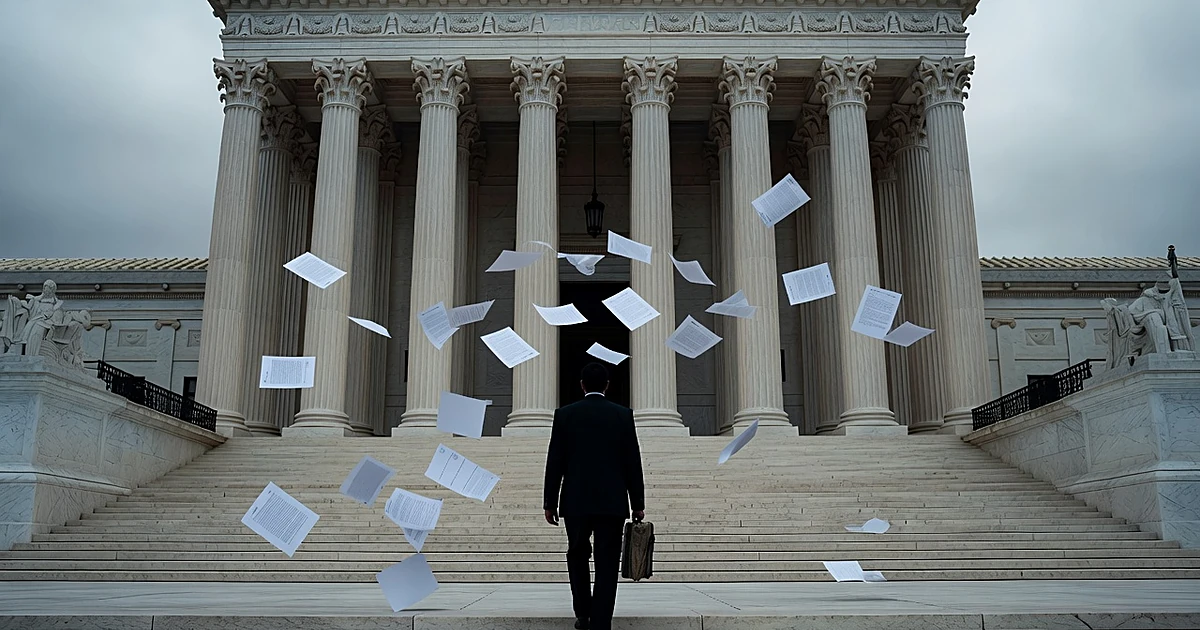
Two Democratic-appointed judges on a three-judge D.C. Circuit panel pressed the Trump administration hard Friday over whether it has legal authority to build a 90,000-square-foot ballroom on the White House grounds, and the government's answers did little to ease their doubts.
The oral arguments, reported by The Hill, came in a lawsuit filed by the National Trust for Historic Preservation challenging the $400 million project. A federal law bars erecting any "building or structure" on federal land in the nation's capital without express congressional authority. The administration insists Congress already gave that authority. Two of the three judges on the panel appeared unconvinced.
The case lands at a moment when the ballroom project is losing ground on Capitol Hill, too. Earlier this week, Republicans stripped a $1 billion provision for the project from their reconciliation package. A day before that, six GOP senators crossed the aisle and voted with Democrats on a proposal that would have explicitly barred the president from moving forward.
The government's argument, and why the judges balked
Yaakov Roth, principal deputy assistant attorney general of the Department of Justice Civil Division, argued the government's case. He pointed to two existing statutes as proof Congress has already blessed the construction. One authorizes appropriations for the "alteration" and "improvement" of the White House. The other established the National Park Service and directs the Interior Secretary to "promote and regulate the use of the National Park System."
U.S. Circuit Judge Brad Garcia, a Biden appointee, was not buying it.
"Promote the use of the National Park Service equals express authority to erect buildings?"
Roth confirmed that was the government's position. Garcia then acknowledged the parks law might implicitly authorize some construction, but pushed back on calling it anything more. He openly suggested the statutory framework reads the way the plaintiffs describe it, not the way the administration does.
"It does almost entirely fit with the story the Trust would tell, which is Congress wanted to authorize the president and doesn't really care all that much who he hires and how much he pays them. But it sure cares a lot about what is done to the White House, and so it's going to retain more of a leash on the kinds of activities the president can undertake."
That is a significant framing from a sitting appellate judge during argument. Garcia was essentially telling the government lawyer that the statutes look like they protect Congress's grip on what gets built at the White House, the opposite of what the administration needs them to say.
The Statue of Liberty hypothetical
U.S. Circuit Judge Patricia Millett, an Obama appointee, went further. She tested the government's logic with a hypothetical that laid bare how far the administration's theory could stretch.
"If the government decided very quickly and bulldozed the Statue of Liberty, the people whose ancestors, that was the first thing they saw coming to this country, but the government moved too fast. Nothing can be done?"
Roth's answer was blunt: "I think that's right."
That exchange may prove damaging. Conceding that the executive branch could, under its own reading of the law, demolish a national landmark without congressional input is the kind of admission that tends to linger in judicial opinions. Whether Millett intended the hypothetical as a trap or a genuine inquiry, the government walked straight into it.
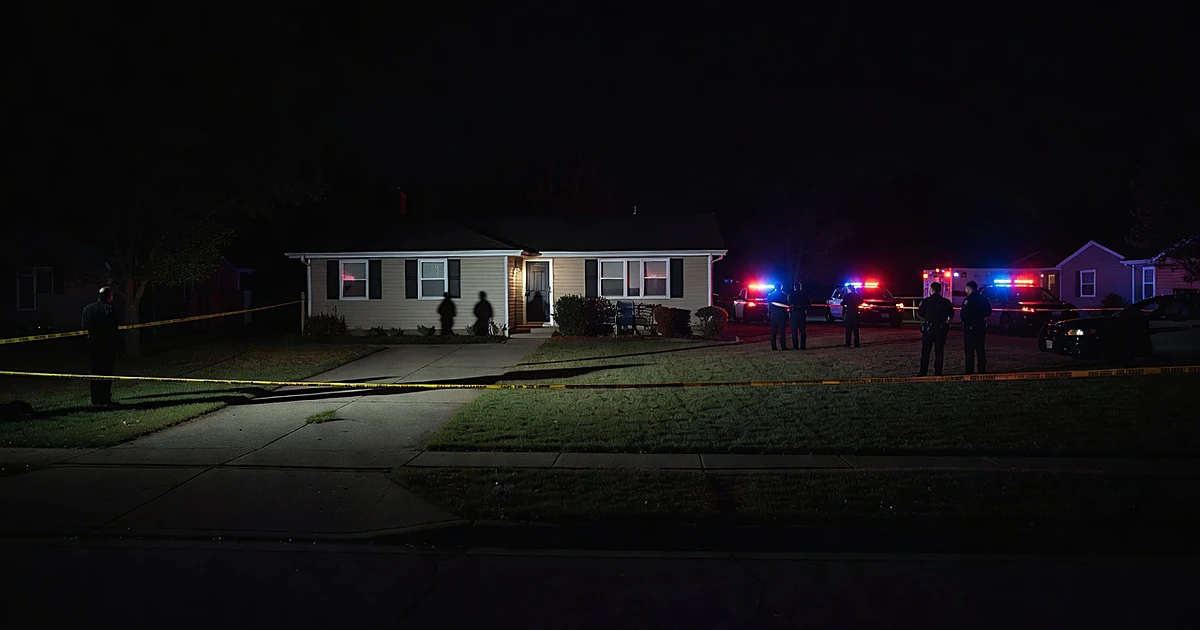
The administration has increasingly leaned on national security to justify the project, citing two recent shootings near the president's location. That argument may carry weight in the political arena, but it did not appear to move the two Democratic-appointed judges during Friday's session. The legal question before the court is narrower: does the law require Congress to sign off, or doesn't it?
The broader pattern of the administration facing judicial resistance on executive authority is familiar. Trump himself recently conceded he would likely lose the birthright citizenship fight at the Supreme Court, a candid acknowledgment that courts remain a persistent check on ambitious executive action.
Standing: the one opening for the government
If the administration has a path to victory, it may run through the sole Trump appointee on the panel. U.S. Circuit Judge Neomi Rao zeroed in not on the merits but on whether the National Trust for Historic Preservation can sue at all.
The Trust's standing argument rests on one of its members who takes walks near the White House. Rao was skeptical.
"She says that she's going to walk past the White House maybe once a month. She doesn't really say anything specific."
Standing is often the quietest way for a court to dispose of a case. If the Trust cannot show its member suffers a concrete, particularized injury from the construction, the court could toss the case without ever reaching the merits, leaving the legal question about congressional authority unresolved but the project free to proceed.
Thaddeus Heuer, the attorney for the National Trust, pushed back. He said the group's argument would not mean anyone who walks by a government building can sue. And he remained insistent on the core legal point.
"That's not what the statutes say, and that's what the constitutional framework requires, which is that you do go to Congress, because Congress controls federal property."
The standing question matters, but it is a two-to-one panel. If Millett and Garcia agree the Trust has standing, Rao's skepticism becomes a dissent, not a ruling.
Congress won't help, at least not yet
The political backdrop makes the legal fight more consequential, not less. Trump tore down the East Wing last fall to make way for the project. He originally announced the ballroom would be funded with private donations. That plan has apparently shifted, the stripped $1 billion provision suggests the administration sought taxpayer funding through the reconciliation process.
That effort failed. And the six Republican senators who voted with Democrats to block the project signal that even within the GOP, the ballroom lacks the votes it needs. The administration's difficulties securing funding for priorities through thin GOP margins are not limited to the ballroom, they reflect a broader reality about what this Congress is willing to spend political capital on.
Trump has turned to lawmakers as courts have emerged as a roadblock, but his efforts have stalled so far. That leaves the D.C. Circuit ruling as potentially the most important near-term development for the project's future.
The appeals court previously allowed above-ground construction to continue until it issues its ruling, after a lower federal judge had halted it. So work has not stopped. But if the panel rules against the administration on the merits, the project faces a serious legal barrier, one that only Congress can remove.
The administration has also argued that below-ground work on security features is distinct from construction of the ballroom itself and should be allowed to continue regardless. That argument may survive even an adverse ruling, but it would leave the signature above-ground project in limbo.
Other executive actions face similar legal headwinds. The administration's move to deny asylum claims without interviews for late filers is another example of aggressive executive policy that will almost certainly face court challenge, a reminder that legal authority, not just political will, determines what a president can actually do.
What comes next
No date has been set for the D.C. Circuit's ruling. The panel could decide on the merits, toss the case on standing, or land somewhere in between. But Friday's arguments offered a clear preview: two of the three judges appear to read the relevant statutes as requiring Congress to authorize new construction on the White House grounds, and the government's own lawyer conceded that the administration's legal theory would permit the executive branch to demolish national landmarks without legislative approval.
That concession alone may be enough to write the opinion. Courts tend to reject legal theories that produce results no one would defend in the real world. The administration asked the D.C. Circuit to accept a framework under which the Statue of Liberty could be bulldozed on a president's say-so. The two Democratic-appointed judges did not seem inclined to oblige.
Even loyal allies within the GOP may find it difficult to rally behind a legal position that sweeping. The project's merits are a separate question from its legality, and on legality, the administration's footing looks unsteady.
There is a straightforward path available: go to Congress, make the case, and get the authorization the law appears to require. The fact that the administration has so far been unable, or unwilling, to do so tells you everything about where the votes stand.
When even your own party's senators won't fund the project and your own lawyer concedes the theory would let a president flatten the Statue of Liberty, the problem isn't the courts. The problem is the argument.