Permanent daylight saving time clears key House committee with Trump's backing
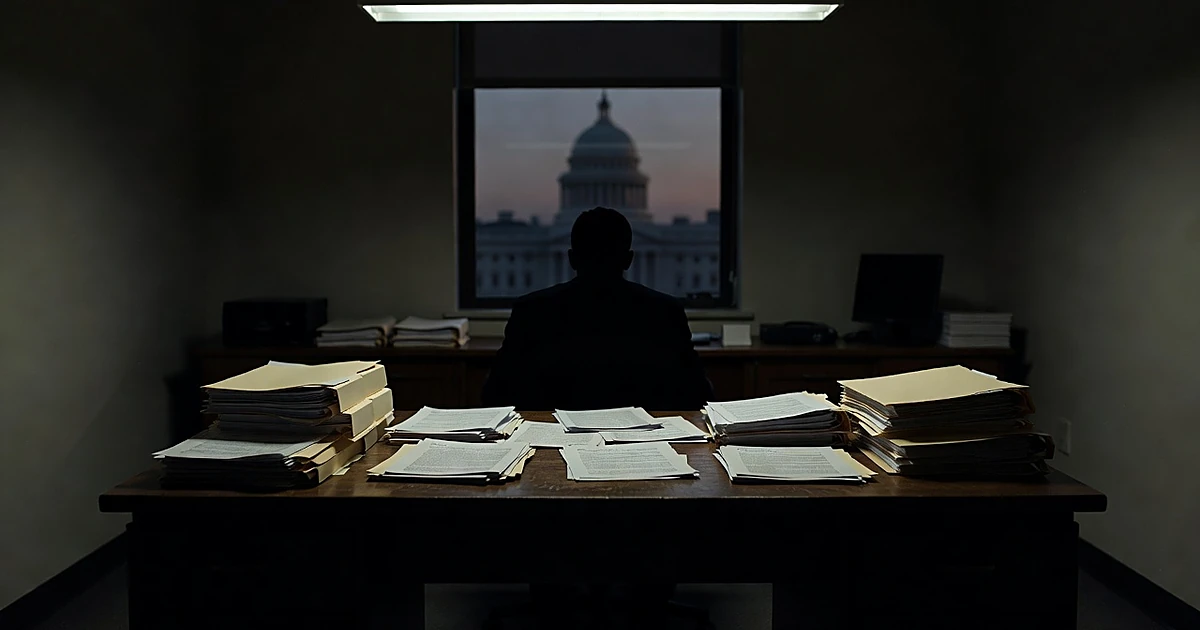
The House Energy and Commerce Committee advanced a measure that includes the Sunshine Protection Act, a bill to make daylight saving time permanent, in a lopsided 48-1 vote on Thursday, sending it to the full House floor with strong presidential support behind it.
President Donald Trump celebrated the vote on Truth Social, calling the twice-yearly clock change a costly burden on taxpayers, cities, and states. The provision was folded into the Motor Vehicle Modernization Act through an Amendment in the Nature of a Substitute, a procedural vehicle that bundles policy changes into a single markup.
If the bill clears Congress, Americans would stop resetting their clocks twice a year, a ritual that has annoyed households, disrupted schedules, and cost local governments real money for decades. The near-unanimous committee vote signals broad appetite on Capitol Hill for finally ending the practice.
Trump makes the case on Truth Social
Trump did not wait long to weigh in. In a post reported by Fox News Digital, the president framed the issue in dollars-and-cents terms:
"Big Vote today (48-1!) in the Energy and Commerce Committee on a Bill including The Sunshine Protection Act, which will be making Daylight Saving Time Permanent! This is so important in that Hundreds of Millions of Dollars are spent every year by people, Cities, and States, being forced to change their Clocks. Many of these Clocks are located in Towers, and the cost of renting, or using, Heavy Equipment to do this twice a year is prohibitive!"
He followed up with a political pitch aimed squarely at his own party:
"It's time that people can stop worrying about the 'Clock,' not to mention all of the work and money that is spent on this ridiculous, twice yearly production. It will also be a very nice WIN for the Republican Party. Take it! We are going with the far more popular alternative, Saving Daylight, which gives you a longer, brighter Day, And who can be against that, This is an easy one!"
The president had already laid the groundwork. Back in April 2025, Trump posted on Truth Social urging Congress to act:
"The House and Senate should push hard for more Daylight at the end of a day. Very popular and, most importantly, no more changing of the clocks, a big inconvenience and, for our government, A VERY COSTLY EVENT!!!"
That April post makes clear the White House has been pressing on this issue for more than a year. Thursday's committee vote is the first concrete legislative result.
Bipartisan cosponsors line up in both chambers
Rep. Vern Buchanan, a Florida Republican, has been the bill's chief House advocate. His office released a statement Thursday explaining the legislative mechanics: the Sunshine Protection Act was included as a provision within the AINS to the Motor Vehicle Modernization Act, which was marked up and sent to the House floor by the committee.
The numbers behind the bill suggest it is not a party-line exercise. Buchanan's office said the House legislation has 32 bipartisan cosponsors. On the Senate side, companion legislation designated S. 29 was introduced by Sen. Rick Scott, also a Florida Republican, and carries 18 bipartisan cosponsors.
That kind of cross-party support is rare on Capitol Hill these days. When 48 out of 49 committee members vote the same way on anything, it tells you the political risk of opposing the measure is higher than the risk of supporting it.
What the bill would, and would not, do
The proposal would lock the nation into daylight saving time year-round, eliminating the spring-forward, fall-back cycle. But it comes with a notable carve-out: states that do not currently observe daylight saving time would not be forced to start. The bill gives states the freedom to keep their existing arrangement if they choose.
That detail matters. It respects federalism, a principle conservatives have long championed, by letting states opt out rather than imposing a one-size-fits-all federal mandate. Washington tells you when the sun sets? Not if your state legislature says otherwise.
The practical appeal is obvious. Families, businesses, and local governments spend time and money adjusting clocks, schedules, and systems twice every year. Trump pointed to the specific cost of maintaining tower clocks and the heavy equipment needed to service them. Whether the total reaches the "Hundreds of Millions of Dollars" he cited is difficult to verify independently, but the cumulative hassle is something every American understands firsthand.
A long road that may finally have a destination
Permanent daylight saving time is not a new idea. The Senate unanimously passed a version of the Sunshine Protection Act in 2022, only to watch it die in the House without a floor vote. That failure frustrated supporters on both sides of the aisle who saw a rare consensus issue stall for no clear reason.
This time, the dynamic is different. The bill has presidential backing, bipartisan cosponsor lists in both chambers, and a committee vote so one-sided that the lone dissenter stands out more than the 48 members who said yes. The identity of that single "no" vote has not been publicly reported.
The next test is a full House floor vote. If it passes, the Senate companion bill, S. 29, with its 18 cosponsors, would need to clear that chamber as well. The legislative path is straightforward. The question is whether Congress can avoid the inertia that killed the last attempt.
Florida leads the charge
It is no accident that both the House and Senate champions hail from Florida. The Sunshine State's residents enjoy long daylight hours and have little patience for a clock ritual designed for a different era. Buchanan and Scott are pushing a policy that their constituents overwhelmingly want, and that polls suggest most Americans want, too.
Trump framed it as an easy win for the Republican Party, and on the merits, he has a point. The issue cuts across ideological lines. It saves money. It reduces government-imposed inconvenience. It lets people enjoy more evening daylight. There is no organized constituency lobbying to keep the status quo.
The path forward
The committee's 48-1 vote is a strong signal, but signals do not become law on their own. The bill still needs a House floor vote, a Senate vote, and a presidential signature. With Trump openly championing the measure and both parties supplying cosponsors, the political ingredients are in place.
Congress has a habit of letting popular, low-controversy bills languish while leadership chases higher-profile fights. The 2022 experience proved that even unanimous Senate passage guarantees nothing if the House does not act.
Open questions remain. When will House leadership schedule a floor vote? Will the Senate move on S. 29 independently, or wait for the House bill? And will the broader Motor Vehicle Modernization Act, the legislative vehicle carrying the daylight saving provision, attract opposition on unrelated grounds that could drag the whole package down?
None of those questions have answers yet. But the momentum is real, the president is engaged, and the committee vote left almost no room for doubt about where lawmakers stand.
If Congress cannot pass a bill that 48 out of 49 committee members support and the president is publicly cheerleading, it will tell you everything you need to know about whether the institution can accomplish anything at all.