Trump approval falls to 32 percent in new poll as midterms near
President Trump’s approval has dropped to 32 percent in a Reuters/Ipsos poll as high living costs and the Iran conflict test Republican enthusiasm weeks before the midterms.
A Breitbart report on the Reuters/Ipsos survey put the president’s overall approval at 32 percent among 1,277 likely voters, with a margin of error of plus or minus 3 points. Recent public readings have ranged from 39 percent down to 29 percent as November approaches.
The sharper warning sits inside the GOP numbers. Republican approval of Trump fell in a single week from 82 percent to 73 percent. It stood at 86 percent in January of this year and at 91 percent right after the January 2025 inauguration.
Ipsos lead pollster Alec Tyson told The Hill the base remains solid, but not at the same strength voters once saw. That drop arrives with midterms only weeks away and with cost-of-living pressure still biting household budgets.
Since January, Republican support for Trump’s handling of the economy has fallen to 56 percent. Support for his handling of the cost of living has dropped to 44 percent. Those are the figures GOP strategists say now threaten turnout more than any single headline.
GOP support softens after Iran and pump prices
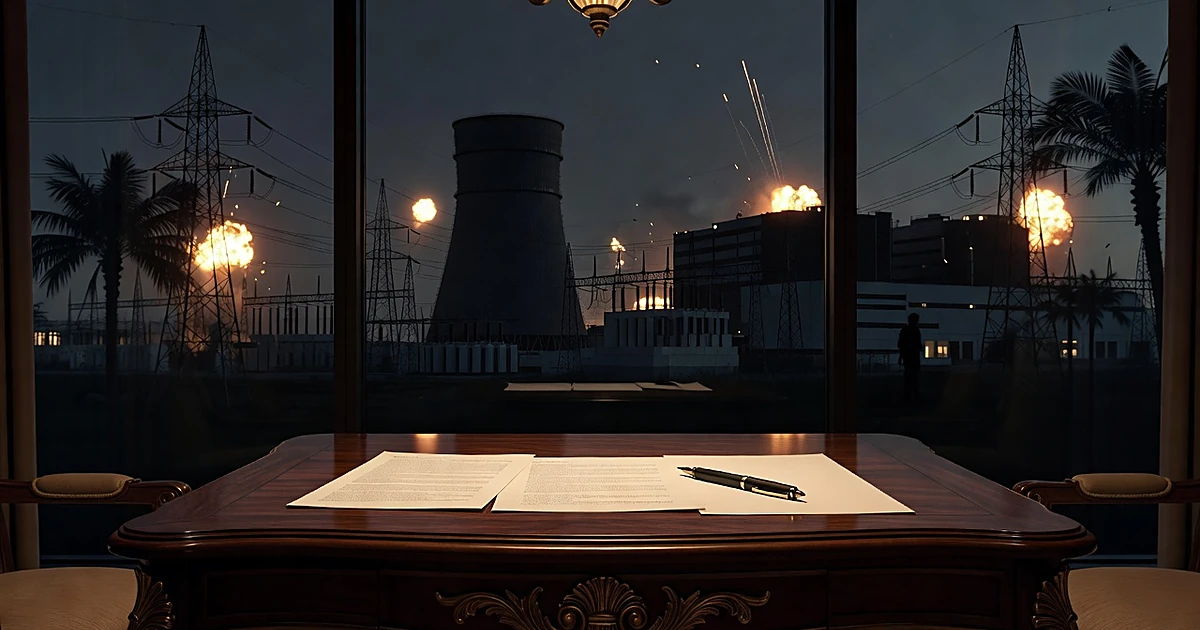
Republican approval has slid steadily since the Iran conflict began. The president defended higher fuel costs as “a very inexpensive price to pay for what we’ve done,” pointing to strikes on Iran’s nuclear facilities. Democrats piled on after that remark last week.
Allies have answered by highlighting the left’s hard turn and the rise of Democratic Socialists, arguing voters still reject that agenda even when pocketbook stress is real. The White House has kept moving on other fronts, including fights over access rules after Trump barred several major outlets from the grounds.
Alec Tyson, senior vice president and lead pollster at Ipsos Public Affairs, framed the shift in plain terms.
"For really his entire political career, the president has enjoyed very strong support among the Republican Party and among his base, and that’s still true today, but it’s a bit less true,"
Tyson added:
"Those are striking numbers. Numbers that we hadn’t seen until recent weeks here in our Ipsos polling."
Self-described MAGA Republicans still give the president an all-time high in the same polling run. The soft patch is wider among Republicans who are not locked into that label, and that is where strategists see the midterm risk.
Strategists warn about quiet Republicans in November
Republican strategist William F. B. O’Reilly told The Hill the danger is not only the raw approval number. It is who shows up.
"There’s a major risk that a lot of Republicans will be staying home in November, while Democrats turn out in droves,"
O’Reilly tied the mood directly to war strategy and gas prices.
"The dissatisfaction with the Iran war strategy and rising gas prices are sapping enthusiasm on the right at the worst possible time. We have one month to turn that around."
That one-month clock is the practical politics of this poll. Midterms punish parties that let base voters drift, even when the other side’s record on borders, crime, and spending still alienates large parts of the country.
Republican analyst Ford O’Connell said the deeper failure is messaging, not the inheritance Trump took on. He argued Republicans never forced a clear contrast with the economy they were handed.
"Republicans have not made the case that when Trump came into office, the Biden economy was far worse than anyone imagined, and it was not going to be fixed overnight. That’s the problem, is they’re playing defense versus offense,"
O’Connell’s point matches what cost-of-living voters already feel. Prices did not appear overnight in 2025. Years of easy money, weak energy policy, and open-border pressure landed on workers long before the current term. The party that refuses to say so hands Democrats a free attack line on inflation.
Inflation still cuts against Republicans on paper
Fox News reporting has stressed that Republican midterm strength will hinge on inflation and base enthusiasm. A recent Fox News poll found Democrats, by a wide margin, were viewed as the party better able to handle inflation. Separate Reuters/Ipsos and NBC News surveys showed the parties knotted on which would better handle the overall economy.
Knotted on the broad economy and trailing on inflation is a tough place to defend a House majority. It is also why O’Connell refuses to call the race finished if Republicans quit pressing their case.
"Republicans are definitely facing strong headwinds, but that does not mean that the game is over. And if they stop pushing right now, they will certainly lose both the House and the Senate,"
He added they should hold the Senate and could still limit House damage to a narrow loss, or keep the chamber if a late break goes their way.
Administration energy has not been limited to polls and spin. Coverage of White House priorities has stretched from state-dinner diplomacy, including Fox News hosts seated at the Xi dinner, to legal fights over estate grounds and construction timelines.
Those projects sit far from kitchen-table prices, yet they show a White House still forcing decisions while critics litigate every square foot. Preservation groups have tried to slow the ballroom build, and the administration has answered in court that the work serves larger security needs as deadlines close in, as laid out when the Trump administration told the Supreme Court the ballroom is a national security imperative.
Base core holds while swing Republicans cool
The Reuters/Ipsos pattern is not a collapse of the Trump coalition’s core. MAGA identifiers remain at a peak. The erosion is among broader Republicans who once polled in the high 80s and low 90s after inauguration and now sit at 73 percent after a sharp weekly drop.
That is the difference between a loud base and a full midterm electorate. Democrats need soft Republicans to stay home. Republicans need those same voters to remember the border chaos, the inflation spike, and the law-and-order failures they voted to end.
O’Reilly’s warning about droves of Democratic voters is the turnout math every cycle. Enthusiasm gaps decide thin districts. Gas prices and war fatigue can open that gap fast if the party spends September on defense instead of a clean ledger of what it inherited and what it stopped.
Even household-level storylines around the first family, such as notes that Melania Trump will skip the Ireland trip, do not change the electoral arithmetic. Votes will turn on costs, safety, and whether Republicans explain the repair job in blunt English.
Tyson’s “striking numbers” line matters because Ipsos had not seen this Republican softness in its recent series until these weeks. A 32 percent overall read, a 44 percent GOP mark on cost of living, and a one-week dive among Republicans together explain why strategists talk about a 30-day sprint rather than a victory lap.
One month to fix the enthusiasm gap
The operational fact pattern is simple. Approval among Republicans fell from 91 percent after inauguration to 86 percent in January of this year, then to 82 percent and 73 percent inside a week. Economy handling among Republicans sits at 56 percent. Cost of living sits at 44 percent. Overall approval is 32 percent in this Reuters/Ipsos sample of likely voters.
Fox News finds Democrats ahead on inflation by a wide margin. Reuters/Ipsos and NBC leave the parties tied on the broader economy. O’Reilly says Iran strategy and pump prices are draining right-leaning enthusiasm at the worst moment. O’Connell says the party never fully prosecuted the case that the Biden-era economy was deeper in the hole than advertised and could not be repaired overnight.
Parallel legal noise over White House grounds continues, with preservationists urging the Court to halt the ballroom while crews keep working. None of that sets gas prices. None of it replaces a midterm argument aimed at workers who judge politics by the grocery bill.
Trump’s own line on fuel costs framed the Iran strikes as worth the price. Supporters hear resolve. Soft Republicans hearing only the price tag, without the ledger of what failed before 2025, are the voters O’Reilly fears will shrug and stay home.
Holding the Senate and keeping any House path open, in O’Connell’s forecast, requires offense: name the inherited mess, own the security choices, and tie Democratic alternatives to higher costs and harder left rule. Playing defense while Democrats hammer inflation is how majorities thin out in a hurry.
Polls this close to Election Day are pressure tests, not verdicts. The party that tells the truth about prices, borders, and the limits of overnight fixes still has time to drag quiet Republicans back to the line, if it stops apologizing for the repair job and starts accounting for who broke the engine.